
How to Decline a Job Offer Politely in 2026: The 5-Minute Script That Keeps the Door Open

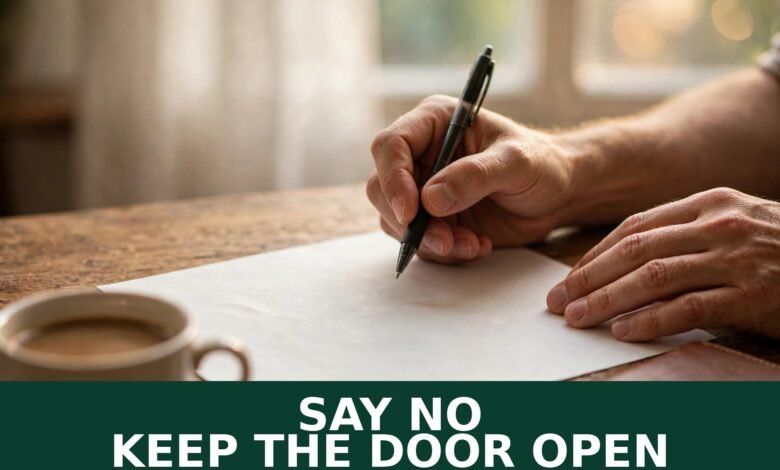
The email lands at 9:14 in the morning. You have wanted this job for weeks, and now the offer is sitting in your inbox, salary and start date included. There is just one problem: it is not the right job. Maybe the pay is too low to cover your rent. Maybe another offer came in yesterday. Saying yes would be easy. Saying no, politely and without burning a bridge, feels much harder.
Here is the good news. Recruiters hear “no” every week. A short, warm, honest decline does not damage your reputation. What damages it is ghosting, stalling for two weeks, or sending a long excuse that sounds like a complaint. This guide gives you a simple formula and five copy-ready scripts you can adapt in five minutes.
Quick answer: how to decline a job offer politely
Reply within one to two business days, thank the hiring manager by name, state your decision in one clear sentence, give one brief neutral reason, and close by leaving the door open. Keep the whole message between 100 and 150 words. Send it by email unless you built a close relationship with the hiring manager, in which case a short phone call followed by the same message in writing works even better. Do not negotiate in a decline unless you genuinely want the job at a better number.
Before you decline: the 3-question check
A decline is final in practice, even when the door stays open in theory. Run these three questions before you send anything.
1. Is it really a no, or is it a negotiation? If one change would make you accept — say, $5,000 more, a remote week, or a later start date — then you do not have a decline. You have a counteroffer. Say so plainly: “I would love to accept if we can get the salary to X.” See our guide to answering salary expectations.
2. Have you checked the whole package? A lower salary with strong health coverage, real remote flexibility, and a shorter commute can beat a higher salary that eats your evenings. Read the benefits page, not just the headline number, before you decide.
3. Are you declining for a reason you can say out loud? “I accepted another role that fits my current goals” is safe. “Your manager seemed rude and your office smelled” is honest but useless. If your real reason cannot be said politely, use the neutral version.
The 4-part decline formula that works every time
Every good decline email follows the same four parts, in this order. Start with thanks before the decision, or the reader feels ambushed.
Part 1: Thank them, specifically. Name the person and one real detail: “Thank you for offering me the customer success role, and for the time you and the team spent showing me how the support queue actually works.” A specific thanks proves you paid attention. A generic “thanks for the opportunity” reads like a form letter.
Part 2: State the decision in one sentence. “After careful thought, I have decided to decline the offer.” No hedging, no “I am still weighing my options.” Vague wording invites a follow-up call you do not want.
Part 3: Give one brief, neutral reason. One reason is enough. “I have accepted another opportunity that lines up more closely with my current career goals” covers most cases. If pay was the issue, “the compensation package does not meet my current needs” is honest without turning into a complaint.
Part 4: Leave the door open. “I have a lot of respect for your team and would welcome staying in touch. I hope our paths cross again.” That one sentence is the whole point of declining politely.
Email or phone: which one should you use?
Email is the right default for most declines. It gives you a written record, lets you choose every word, and respects the hiring manager’s schedule. Use email when the process was mostly email-based, when you only met the team once or twice, or when a phone call would make you ramble.
Call first when you built real rapport — three or more rounds, a hiring manager who championed you, or a small company where a cold email would sting. Keep the call under three minutes, use the same four parts, and then send a short email right after: “As I mentioned on our call, I am declining the offer. Thank you again.” That way nobody has to rely on memory.
5 copy-ready scripts for the most common situations
Adapt these, do not paste them word for word. Swap in the real job title, company name, and one detail from your interviews, and each one stays under 150 words.
Script 1: You accepted another offer. “Dear Ms. Alvarez, thank you for offering me the marketing coordinator role at Brightline, and for the thoughtful conversations with your team about the spring campaign. After careful consideration, I have decided to decline the offer, as I have accepted another opportunity that lines up more closely with my current career goals. I hope we can stay in touch, and I wish Brightline every success. Best regards, Jordan.”
Script 2: The pay does not work, and you are done negotiating. “Dear Mr. Chen, thank you for offering me the support specialist role and for walking me through the benefits in detail. After reviewing the full package, I have decided to decline, as the compensation does not meet my current needs. I would welcome staying connected for future roles that might be a better fit. Thank you again for your understanding. Best regards, Jordan.”
Script 3: The role is not the right fit. “Dear Ms. Patel, thank you for offering me the operations associate role. After careful thought, I have decided to decline because the day-to-day focus of the role is different from the direction I want my career to take right now. I hold your team in high regard and hope we cross paths again. Best regards, Jordan.”
Script 4: The timing or location changed your mind. “Dear Mr. Okafor, thank you for offering me the warehouse lead role. Since our first conversation, my circumstances have changed, and the commute and hours no longer work for my family situation. I have therefore decided to decline the offer. I hope we can stay in touch. Best regards, Jordan.”
Script 5: You already accepted, and now you must withdraw. Call first if you can, then confirm in writing: “Dear Ms. Rivera, thank you again for offering me the junior analyst role. I sincerely appreciate the time your team invested in me. After further consideration, I have decided to withdraw my acceptance, as I have accepted another position that better fits my long-term plans. I apologize for the inconvenience this causes. I am grateful for the opportunity and wish you and the team well. Sincerely, Jordan.” Send this the moment you are sure. Every day of delay makes it worse for the team waiting on you.
What never to say in a decline
A polite decline is as much about what you leave out as what you include. Avoid these five traps.
- Do not name the other company’s salary. “You offered $62,000 and they offered $78,000” turns a goodbye into a comparison. If you want them to match it, that is a negotiation, not a decline.
- Do not criticize people you met. Even a mild “the culture was not for me” travels. Recruiters talk, and your sentence will be quoted without your tone.
- Do not over-explain. Three reasons sound like excuses. One neutral reason sounds like a decision.
- Do not apologize five times. One “thank you for your understanding” is professional. Repeated apologies make a simple decision sound like a crisis.
- Do not ghost. No reply is the only decline that truly burns a bridge. A two-sentence email beats silence every single time.
After you send it: keep the door genuinely open
Sending the email is only half the job. The next week decides whether “let’s stay in touch” was a polite line or a real connection.
Connect on LinkedIn within a few days with a short thank-you note — no pitch, no ask. Tell your recruiter at the same time so they are never blindsided. If the company counters, only re-engage if you would truly accept. And if timing was the problem, check their careers page again in six months; many candidates get hired on the second try because their first decline was gracious.
FAQ: declining a job offer
How quickly should I decline a job offer?
Within one to two business days of making your decision. If you need more time to decide, ask for it directly — “Could I have until Friday to give you a firm answer?” — instead of going silent. Hiring teams can wait a few days. They cannot plan around silence.
Do I have to give a reason for declining?
No, you are not obligated to explain in detail. A short, neutral reason helps the employer close the file and keeps the relationship warm, but “after careful consideration, I have decided to decline” on its own is complete and professional. Never invent a reason. A vague truth beats a detailed lie.
Can I decline a job offer after accepting it?
Yes, but treat it as a serious step, not a casual change of mind. Call the hiring manager first, apologize once for the inconvenience, confirm in writing the same day, and do not accept a second offer until you have withdrawn the first.
Will declining an offer hurt my chances with that company later?
A polite, prompt decline rarely hurts you, and it often helps. Hiring managers remember candidates who communicated clearly, and many will consider them again for a different role. Ghosting, stalling, or criticizing the team is what closes doors.
Should I decline by phone or email?
Email is the safe default: it is clear, polite, and on the record. Choose a phone call first when you had a long process or a close relationship with the hiring manager, then follow up with the same message by email. Either way, tell the hiring manager directly before anyone else hears it from you.
Wrapping up
Turning down a job feels awkward because it is a rare moment when honesty and kindness have to share one short email. The formula makes it simple: thank them by name, decide in one sentence, give one neutral reason, and leave the door open. Do that, and the offer you decline today can become the introduction to the role you actually want tomorrow. For the other side of the hiring conversation, read our guides on following up after an interview, handling job rejection, and strengths and weaknesses answers that do not sound rehearsed.
FREE Website: Turn a Brave Career Decision Into Your Own Platform
Saying no to the wrong job takes courage, and that same courage builds something of your own. Here is a truth worth hearing on the morning you turn an offer down: today, every business needs a website, and setting one up is far simpler than most people think. You do not need to learn coding or hire a developer to start.
 🌐
Free Website
🌐 FREE Website — Turn Your Ideas Into Income
Disclosure: This article contains an affiliate link. If you purchase hosting through it, we may earn a commission at no extra cost to you.
If you want to earn a handsome amount every month, a website plus steady, helpful articles is one realistic path: Google traffic can grow into monthly income over time, but only with consistent writing, not overnight magic. No one can guarantee earnings, and anyone who promises them is selling you a dream. What works is showing up, article after article, helping real readers.
Buy your hosting through our link, then send us your receipt through the JobyRoz contact page, and we will guide your basic business website setup for FREE. Think of it as your next offer — one you write for yourself.
Disclosure: This section contains an affiliate link. If you buy hosting through it, we may earn a commission at no extra cost to you.

The Friend Who Cheers Every Brave No
Some decisions feel heavy even when they are right, and that is exactly when a loyal friend matters most. This golden retriever is sitting by the door, tail ready, convinced that the next door you open will be a better one. After you send that polite decline, take a walk, clear your head, and let a four-legged cheerleader remind you that one closed door is not the end of the hallway.
 🐶
Free Pet Guides
Want more loyal-company inspiration?
Run the numbers before your next offer: compare salaries and budgets with the free tools at Earnrove, and keep a clear head while you decide with a glass of clean water from Clearove.
🧮Money Tools
Earnrove - Check the Numbers First