How to Save Money on Groceries UK in 2026: 25 Real-Price Tactics (Save £100+/Month)

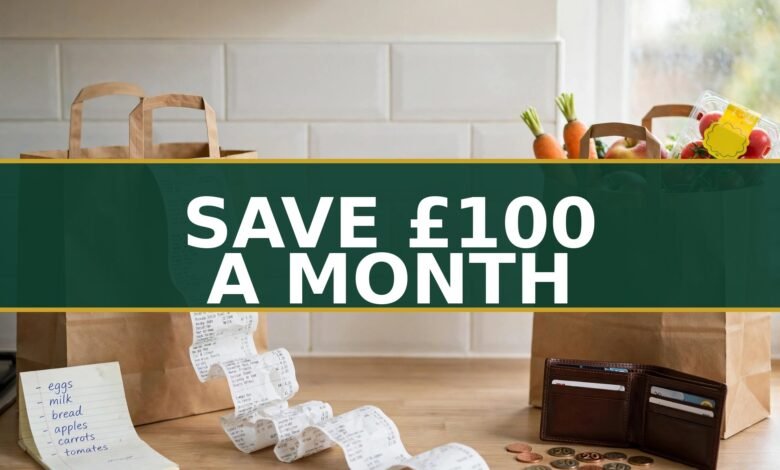
It’s 9pm, you’re scrolling your banking app, and the number next to Tesco, Sainsbury’s, Asda keeps climbing. You’re not imagining it — the average UK household spent £5,283 on food shopping last year, and for many families, groceries are now the biggest bill they can actually change. Rent is rent. Council tax is council tax. But the weekly shop? That’s the one place where a few smart habits can genuinely take £100 a month off your spending — without eating worse.
Below is a 2026 system built on real UK supermarket prices, loyalty-card maths, and reduction-timing intel — not vague “buy in bulk” advice. Twenty-five tactics, each with a number attached, so you can pick the ones that fit your household and skip the rest.
Quick answer: how much can you really save on groceries?
Most UK households can cut their grocery bill by 15–25% within a month by combining meal planning (saves £20–£50 a week for many families), downshifting one brand level on staples, using loyalty prices every shop, and shopping yellow-sticker reductions late in the day. A family spending £100 a week is realistically looking at £60–£100 a month back in their pocket — and the first £40 of that comes from just five branded-to-own-label swaps.
First, know your real number (10 minutes, do it tonight)
Open your banking app and add up the last four weeks of supermarket spending. Take the average. Now set your new weekly target at 10% below that number. Weekly targets work far better than monthly ones because you can feel a week — a month is too abstract to stick to.
If you spent £95 a week on average, your target is £85.50. That 10% is your starting line, not your ceiling. Write the number on a note and stick it on the fridge. Every tactic below is just a tool for getting under that line.
1–5. The five swaps worth £483 a year
VoucherCodes’ 2026 cost-per-gram analysis across the UK’s biggest supermarkets worked out what switching five everyday branded staples to own-label actually saves a household of four over twelve months:
- Cheese — up to £180.12 a year
- Bread — £156.00 a year
- Toilet paper — £60.96 a year
- Baked beans — £54.72 a year
- Cereal — £31.24 a year
Total: £483.04 a year, from five swaps. The toilet-paper example says it all: a four-pack of Andrex Ultimate Quilts at Morrisons works out at 81p a roll, while Aldi’s Saxon Luxury four-pack is 33p a roll. Same job, less than half the price.
The clever version of this is the downshift-one-level test: move from premium to standard own-brand first, then to the value tier. Most people can’t tell the difference on staples like pasta, rice, tinned tomatoes and cleaning products — and where you genuinely can taste it (ketchup, tea, chocolate — everyone has their sacred items), you keep the brand and save elsewhere. You don’t give up your favourite anything. You just stop paying for loyalty on things you can’t taste.
6–9. Loyalty cards: the discount you keep forgetting
Tesco Clubcard Prices, Sainsbury’s Nectar Prices, Morrisons More — these aren’t gimmicks. The competition regulator (CMA) checked hundreds of loyalty prices and found 92% were genuine savings, typically 17% to 25% off the usual shelf price. That’s a fifth off your basket on the items it covers, for free.
Three rules make loyalty cards actually work:
- Scan it every single time — the card that lives in your kitchen drawer saves you nothing. Load the app on your phone so it’s always there.
- Plan around the loyalty deals, not the other way round. If salmon fillets are on Clubcard Price this week, that’s what you’re having Thursday.
- Stack the personalised offers. Tesco and Sainsbury’s both send weekly personalised coupons based on what you actually buy — a pound off your regular coffee, money off your usual nappies. Check the app before you shop.
10–12. The yellow-sticker timetable (shop reductions like a pro)
Every supermarket reduces fresh food nearing its sell-by date — often by 50–75%, sometimes to pennies. The trick is knowing when. Reduction times vary by chain and even by branch, but the general UK pattern is:
- Co-op: reductions often start late afternoon
- Morrisons: around 6pm
- Sainsbury’s: after 7pm
- Tesco: closer to 8pm
Ask the staff at your local store — most will tell you the routine if you’re polite. Then build the one habit that makes this work: buy it and freeze it. A £3 pack of chicken reduced to 90p is only a bargain if it doesn’t go off in your fridge. Portion it, bag it, freeze it the same evening, and it becomes next month’s cheap dinner instead of a bin statistic.
13–16. Meal plan five dinners, not seven
Meal planning is the single biggest lever most households have. Families that switch to consistent planning commonly save £20 to £50 a week — the saving comes from killing impulse buys, ending the midweek “top-up” shops, and slashing food waste. And waste is the hidden monster: the average British family throws away £800 of food a year, according to Tesco’s survey with the food-waste charity WRAP.
The realistic version:
- Plan five dinners, not seven. Leftovers, freezer meals and one “use-it-up” night (fridge-clearance stir-fry, bubble and squeak, whatever’s-left soup) fill the gaps. Seven-meal plans collapse; five-meal plans survive contact with real life.
- Shop your cupboards first. Before you write a list, check what you already have and build at least two meals around it.
- Batch cook once a week. A big veggie chilli, lentil curry or soup takes an hour and covers three dinners. A slow cooker makes this nearly free on energy.
- One ingredient, three meals. A roast chicken becomes sandwiches becomes stock. A bag of lentils becomes curry, soup and shepherd’s pie filling.
17–19. Split your shop: discounters + main supermarket
You don’t have to switch your whole shop to Aldi or Lidl. Independent price comparisons show discounters undercut the big four by 10–30% on staples like bread, milk, eggs and pasta. The sweet spot for most households: move 30–40% of your basket — the basics — to a discounter, and keep your main supermarket for everything else. Even that partial switch can save hundreds of pounds a year.
Add the Lidl Too Good To Waste box to your routine: about 5kg of fruit and veg that isn’t cosmetically perfect, sold for around £2. Availability varies by store, but when you catch it, it’s absurdly good value.
20–22. Rescue food: the apps that pay you to eat
- Too Good To Go: “magic bags” of surplus restaurant and supermarket food typically cost £3–£4 for £10–£15 worth of food. Bakeries and sushi places are the jackpot.
- Olio: neighbours and local businesses share surplus food for free. It genuinely works, and it’s a nice way to meet people on your street.
- GreenJinn: cashback on groceries including fresh produce — it even pays out on healthy items, which most cashback apps don’t.
23–25. The quiet wins nobody mentions
Compare the unit price, not the pack price. The shelf-edge label shows price per 100g or per kilo — the bigger pack is not always cheaper. This one habit alone catches the shrinkflation tricks.
Buy wonky and frozen. “Wonky” fruit and veg is the same food, cheaper. And frozen vegetables are often more nutritious than the fresh ones that sat in a van for a week — picked ripe, frozen fast, zero waste.
Shop online if the aisles tempt you. If you’re an impulse buyer, delivery or click-and-collect removes the entire temptation architecture of the store. Compare the £4–£6 delivery fee against what you usually throw in the trolley “just because” — most people come out ahead.
What if money is really tight right now?
If you’re reading this because the cupboards are nearly bare, start here instead of the tactics above:
- Healthy Start (GOV.UK): if you’re pregnant or have a child under four and receive certain benefits, you get prepaid cards for milk, fruit, vegetables and vitamins.
- Community fridges and food banks: the Trussell network and thousands of independent food banks exist for exactly this situation — no shame, just help. Many community fridges are open to anyone, no referral needed.
- Talk to your council: most councils have a Household Support Fund that can cover food and essentials in a crisis — it doesn’t get advertised enough.
Frequently asked questions
How much does the average UK household spend on groceries?
The average UK household spent about £5,283 a year on food shopping in 2025 — roughly £100 a week — though a typical family grocery bill is often quoted at £60–£90 a week depending on household size and where you shop.
Are supermarket loyalty cards actually worth it?
Yes. The CMA found 92% of the loyalty prices it checked were genuine savings, usually 17% to 25% below the regular price. The card only works if you scan it every shop and check the weekly personalised offers in the app.
When do UK supermarkets reduce food with yellow stickers?
It varies by store, but as a rough guide: Co-op starts in the late afternoon, Morrisons around 6pm, Sainsbury’s after 7pm, and Tesco closer to 8pm. Ask your local branch staff for their exact routine.
Is Aldi or Lidl really cheaper than Tesco and Sainsbury’s?
For basics, yes — independent comparisons show discounters undercut the big supermarkets by 10–30% on staples like bread, milk, eggs and pasta. Many families split their shop: basics at Aldi/Lidl, everything else at their usual store.
What’s the fastest way to cut my food bill this week?
Set a weekly target at 10% below your last four weeks’ average, meal-plan five dinners, scan your loyalty card, and downshift five branded staples to own-label. Most households see the difference in the very first shop.
The bottom line
Saving money on groceries isn’t about one clever trick — it’s a system. Know your number, swap the five brands that cost you £483 a year, scan the loyalty card, learn your store’s yellow-sticker time, plan five dinners, and split the basics to a discounter. None of these is hard. Together, they’re the £100 a month that stops the food shop being the scary line in your banking app. Start tonight with the 10-minute budget check — everything else follows from knowing your number.
Related reading: Money Saving Tips for Mums UK: 21 Ways to Stretch Every Pound · Cash Stuffing UK: The Beginner’s Envelope System · Sinking Funds for Beginners · How to Budget Side Hustle Income (UK) · How to Stop Living Paycheck to Paycheck UK · Personal Finance
Get a FREE Website for Your Business (Or Your Side Hustle)
Here’s something most people saving hard on groceries never realise: every serious business needs a website today — and getting one has become ridiculously simple. You don’t need to touch a single line of code. Just grab hosting through our link (you get an extra 20% off through it), tell the built-in AI what your business does, and it builds the website for you. Bakery, cleaning service, market stall that wants online orders — five minutes of describing, and you’re live.
And if you’ve ever thought about earning on the side: a simple website where you write helpful articles can turn Google traffic into real monthly income. No magic, no overnight riches — it’s the same slow-and-steady game as cutting your grocery bill: consistent articles, month after month, compounding into something meaningful. Many of the UK’s biggest money-saving blogs started exactly like this.
 🌐
Free Website
🌐 FREE Website — Turn Your Ideas Into Income
Want a handsome monthly income? Publish helpful articles consistently and let Google traffic grow into real earnings — steady work, never overnight magic. We never guarantee earnings.
Disclosure: This article contains an affiliate link. If you purchase hosting through it, we may earn a commission at no extra cost to you.
Disclosure: JobyRoz may earn a commission if you buy hosting through our link, at no extra cost to you. It keeps our guides free.
The Grocery Item That Wags Its Tail
Here’s a grocery-bill line nobody audits: your pet’s food. The wrong bag, bought at full price every month, quietly costs more than your own cereal habit. Before your next pet-food run, check the honest buying guides at Furveko.com — real advice on what your dog or cat actually needs, so you stop overpaying for marketing.
 🐶
Free Pet Guides
More money tools: run the numbers on Earnrove.com — free savings and budget calculators that show exactly where your pounds go. And while you’re cutting the food bill, don’t overpay for water either — see how filtered tap water beats bottled on Clearove.com.
🧮Money Tools
🧮 Earnrove — Free Money Calculators