Cash Stuffing UK: A Beginner’s 2026 Guide to the Envelope System (Start With Just £50)

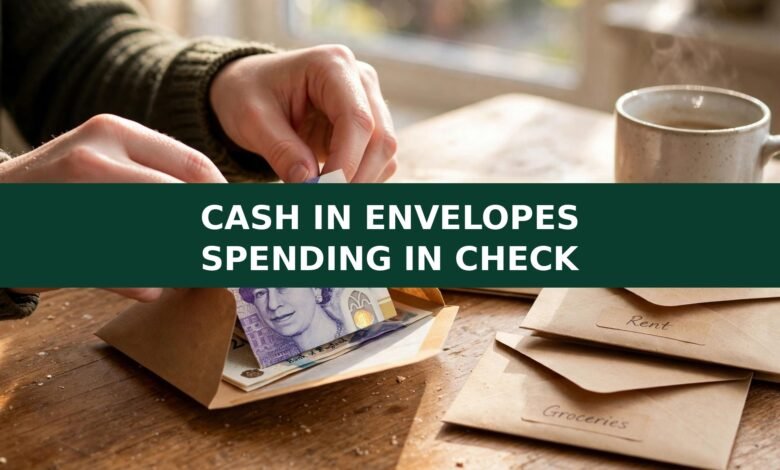
I’ll be honest: the first time I watched someone stuff £20 notes into labelled envelopes on TikTok, I assumed it was a joke — something from the seventies, back when everyone got paid in a little brown wage packet. Then I checked the numbers. Google searches for “cash stuffing” jumped 274% in a year, the TikTok hashtag has passed 498 million views, and BBC Radio 4’s You and Yours devoted a whole segment to it. This isn’t nostalgia; it’s a genuine 2026 money movement with honest psychology behind it.
What the viral videos skip: cash stuffing has real downsides in a country as cashless as the UK, and a major insurer has warned it can cost you money. This guide gives you both sides — the exact system, starter amounts in pounds, the safety rules, and the digital workaround for bills that will never accept an envelope.
Quick answer: Cash stuffing is the envelope budgeting method. After payday, you withdraw cash and divide it into labelled envelopes — one per spending category (groceries, transport, fun money). When an envelope is empty, spending in that category stops until next payday. In the UK it works best as a hybrid: physical envelopes for day-to-day spending plus digital “pots” (Monzo Pots, Starling Spaces) for bills and direct debits.
What Is Cash Stuffing, Exactly?
Strip away the TikTok binder tours and it’s beautifully simple. Cash stuffing — also called the cash envelope system — means giving every pound a physical home before the month begins. Rent and direct debits stay in your bank account as normal. Everything else you’d normally tap a debit card for gets withdrawn as cash and split across envelopes.
Each envelope gets a label and a fixed amount: “Weekly shop: £80.” “Transport: £40.” “Fun money: £30.” Spend from the envelope, and when it’s empty, that’s it until the next refill. The friction is the feature — handing over physical notes stings in a way tapping a phone never does, and that little sting is exactly what curbs impulse spending. Budget advisers have taught this for decades; what’s new is the audience — Gen Z and Millennials, squeezed by the cost of living, rediscovering the oldest budgeting trick in the book.
How Cash Stuffing Actually Works: The 6-Step Payday System
Forget the £200 personalised binders influencers sell. You need envelopes, a pen, and 30 minutes on payday:
Step 1 — Pay the fixed stuff first. Rent, council tax, direct debits and standing orders stay in your account, paid as normal. Cash stuffing only covers variable spending — the money that leaks.
Step 2 — List your variable categories. Keep it short: most UK beginners do well with five to seven (weekly food shop, transport, coffees, fun money, clothes, gifts, one savings envelope). More than eight and the system becomes admin, not budgeting.
Step 3 — Set amounts from last month’s reality. Check your banking app for what you actually spent on groceries, then shave 10–15% off. Setting £40 when you always spend £90 just means the envelope fails on day six — and it won’t be the method’s fault, it’ll be the maths.
Step 4 — Withdraw and stuff. On payday, withdraw the total variable budget in cash, divide it into the envelopes, and label each with the category and the amount. That label is a contract with yourself.
Step 5 — Spend only from the envelope. Coffee comes from the coffee envelope. Empty means home-brewed until refill day. No silent borrowing from groceries — or if you must, write it down, because silent borrowing is how every budget dies.
Step 6 — The 10-minute Sunday check-in. Open each envelope, count what’s left, compare against the days remaining. Running hot on fun money with two weeks to go? That’s early warning, not panic — information while there’s still time to adjust.
How Much Money Do You Need to Start Cash Stuffing?
Less than you think — you don’t stuff your entire salary, only the variable spending. And you can start deliberately small.
My suggestion: run a £50 trial. Pick your two leakiest categories — for most people that’s food-on-the-go and random treats — and run just those two envelopes for one month (£30 and £20). If they survive the month and you enjoyed the control, expand to the full system next payday. Starting small also dodges the classic beginner trap: withdrawing £600 on day one, getting nervous about carrying it, and abandoning everything by Wednesday.
Is Cash Stuffing Safe? The Honest Answer
Right, the part the TikTok tours skip. There are genuine risks, and you deserve them straight:
Theft and loss. The big one. Admiral, the UK insurer, has specifically warned about cash stuffing after handling break-in claims over stolen envelope stashes — including one customer who lost £1,700 across two envelopes. Cash at home has no fraud protection, and most home insurance policies cap cash cover at a few hundred pounds.
No FSCS protection. Money in a UK bank is protected up to £85,000 per institution. Cash in a binder is protected by nothing but your front door lock.
The UK is going cashless. Transport, parking apps, online shopping, subscriptions — huge chunks of modern spending don’t take cash. Run a pure-cash system and you end up managing two budgets (envelopes plus card), which splits the discipline the method depends on. That’s why the hybrid approach below matters so much.
Rules that keep it safe: never keep more than a few days’ spending at home — withdraw in two or three smaller trips across the month. Store envelopes discreetly, not on the kitchen counter. And never stuff money you’re saving for something important (emergency fund, deposit) — that belongs in a proper savings account earning interest, not in paper.
Cash Stuffing vs Sinking Funds: What’s the Difference?
This confuses everyone, so let’s settle it. Cash stuffing controls this month’s spending — it’s about the money going out day to day. Sinking funds protect you from future bills — they’re about money you’re setting aside for expenses you know are coming, like car insurance, Christmas, or a holiday.
They’re teammates, not rivals. Cash stuffing stops the daily leak; sinking funds stop the quarterly ambush. If big irregular bills are what wreck your budget, read our sinking funds for beginners guide next — the two systems slot together neatly, and plenty of budgeters run both.
Can You Do Cash Stuffing Without Cash? The Digital Hybrid
Here’s my honest take after watching this trend for two years: pure cash stuffing is a brilliant short-term training tool and a frustrating long-term system in Britain. The fix that actually lasts is the hybrid.
Keep physical envelopes for the two or three categories where you personally overspend — that’s where the physical friction does its magic. Run everything else through digital envelopes: Monzo Pots or Starling Spaces let you ring-fence money per category inside your banking app and even pay direct debits from specific pots. Same envelope psychology (“this money already has a job”), without carrying cash or giving up FSCS protection.
Use cash stuffing to learn your spending patterns for two or three months, then graduate the categories that don’t need physical cash into digital pots. The discipline you built doesn’t evaporate when the envelopes do.
5 Cash Stuffing Mistakes Beginners Make
1. Stuffing the full salary on day one. Start with the £50 two-envelope trial. Scale what survives.
2. Fantasy amounts. Base every envelope on last month’s actual spending minus 10–15% — not on what a budgeting guru thinks a family “should” spend on food.
3. Too many envelopes. Twelve micro-categories means twelve chances to quit. Five to seven is the sweet spot.
4. Silent borrowing between envelopes. Moving £10 from groceries to fun money without writing it down feels harmless and kills the system within weeks. Borrow loudly — note it on the envelope — or don’t borrow.
5. Stuffing the savings too. Your emergency fund doesn’t belong in a binder earning zero interest and zero protection. Envelopes are for spending. For irregular future bills, use sinking funds instead.
Does Cash Stuffing Really Work?
It works brilliantly at the thing it’s designed for — making spending visible — and it struggles with the realities of a cashless economy. A 2026 expert verdict on the trend called it “a useful short-term tool to build awareness,” adding that the key is understanding the principle (firm limits per category) rather than worshipping the envelopes themselves.
That’s actually freeing. You don’t need to become a “cash stuffer” as an identity. Use the envelopes for 60–90 days, learn exactly where your money goes, then keep the limits and graduate to whatever system you’ll maintain. If a spending freeze appeals more than envelopes, our no-spend month rules guide is the natural next experiment — and for a slower savings habit, the 52-week money saving challenge builds the muscle one week at a time. For more ideas, browse our Personal Finance guides.
Frequently Asked Questions
Is cash stuffing legal in the UK?
Completely. It’s just budgeting with physical cash — withdrawing your own money and organising it into envelopes breaks no laws. Just keep amounts sensible and stored securely.
What happens if my cash stuffing envelopes get stolen?
Unlike bank deposits, cash at home has no FSCS protection, and most home insurance policies cap cash cover at a few hundred pounds. That’s why the safety rules above matter: withdraw in smaller trips, store envelopes discreetly, and never keep savings or large sums at home.
Can I cash stuff on a low income or Universal Credit?
Yes — it arguably helps most here, because the physical limit stops the accidental overspend a tight budget can’t absorb. Start with the £50 two-envelope trial and expand only when the system proves itself. Benefit payments and direct debits stay in your account as normal.
Do I need to buy a special cash stuffing binder?
No. The influencers selling £40 binders are monetising the trend, not the method. Plain envelopes, a pen, and a calculator do the identical job. Spend the binder money on your first savings envelope instead.
Cash stuffing or a budgeting app — which is better?
Apps win on convenience, interest, and protection; envelopes win on friction and visibility. Most UK budgeters end up happiest with the hybrid: physical envelopes for their two or three weakest spending categories, Monzo Pots or Starling Spaces for everything else.
The Bottom Line
Cash stuffing isn’t magic, and it isn’t a scam either. It’s a 90-day training course for your spending brain, dressed up as a TikTok trend. Start with £50 and two envelopes, respect the safety rules, and graduate to the digital hybrid when the novelty wears off.
Put Your Budget System on a Website — Free Setup Guidance
Here’s a thought: the same discipline that makes cash stuffing work — a simple system, repeated consistently — is exactly how people build income from a website. And in 2026, every serious business needs a website; it’s no longer optional.
 🌐
🌐Free Website
🌐 FREE Website — Turn Your Ideas Into Income
Want a handsome monthly income? Publish helpful articles consistently and let Google traffic grow into real earnings — steady work, never overnight magic. We never guarantee earnings.
Disclosure: This article contains an affiliate link. If you purchase hosting through it, we may earn a commission at no extra cost to you.
And if you’d like a proper monthly income stream of your own, here’s the honest path: make a website and start writing genuinely helpful articles on it. Google traffic can turn into monthly income over time — but it takes consistent publishing, not overnight magic. Nobody can guarantee earnings, and anyone who does is selling you something.
Buy hosting through our link, send us your receipt through the JobyRoz contact page, and we’ll guide your basic business website setup for FREE.
Disclosure: the Hostinger link above is a referral link. If you buy through it, we may earn a commission at no extra cost to you.

The Only Budget Enforcer Who Works for Treats
You can label every envelope perfectly — then one wagging tail sweeps them off the table. Admiral warns that stolen envelope stashes cost real money, but let’s be honest: the likeliest thief in your house has four paws and zero respect for your grocery budget. Keeping a dog (or cat) happy costs money too — so before you buy another gadget they’ll ignore by Tuesday, check the honest guides first.
 🐶
🐶Free Pet Guides
Earnrove.com — free money calculators and earning guides to run alongside your new budget system. Clearove.com — clean-water guides, because the cheapest healthy habit is water from a filter, not bottles.
🧮Money Tools
🧮 Earnrove — Free Money Calculators