How to Save Money on Train Fares UK in 2026: The Commuter-Maths System That Finds Your Cheapest Ticket


Train fares in the UK feel like a lottery. The same seat on the same train can cost £15 or £200, depending only on how the ticket was bought. Travel a few times a month and the gap between the cheapest fare and the fare most people pay adds up to hundreds of pounds a year.
Here is the quick answer: how to save money on train fares UK comes down to six moves. Count your travel days first, because that decides which ticket wins. Book advance tickets in the 12-week window, check whether a £35 railcard pays for itself, split long journeys where the train stops, travel off-peak where you can, and pick the right season ticket if you commute. Then claim Delay Repay every time a train runs late.
Step 1: Count your travel days first
Most guides start with a list of tips. That is the wrong order: the cheapest ticket depends on how often you travel, so count your travel days in a normal week first.
One or two days a week, and advance tickets bought separately, as early as possible, are usually best. Three or four days, and a flexible season ticket often beats daily tickets. Five days, and an annual season ticket is usually cheapest. Only travel now and then, and a railcard plus advance tickets will do most of the work.
Step 2: Book advance tickets in the 12-week window
Advance tickets are the single biggest saving on UK trains. They go on sale roughly 12 weeks before travel and the cheapest allocation sells first. A London to Manchester advance ticket can cost from £15, while the same journey bought on the day as an anytime single can cost over £200.
The trade-off is real: advance tickets tie you to one train, and changing to a different service costs a £10 admin fee. Only book them for journeys you are sure about. For the rest, buy as early as you can — the price climbs the longer you wait.
That timing matters right now. Advance fares for Christmas week went on sale in early October, and the cheapest ones are already selling out. MoneySavingExpert’s advice is blunt: book as soon as advance tickets go on sale for busy periods like Christmas and New Year. Leave Christmas travel until December and you will pay for it — literally. If the festive season is also your chance to earn extra, our guide to Christmas temp jobs UK 2026 shows how to land shifts before they fill — handy cash for those Christmas fares.
Step 3: The railcard break-even test
A railcard costs £35 a year and cuts a third off most fares. Run the break-even test first: MoneySavingExpert puts it simply — if you spend more than £105 a year on trains, a railcard will probably save you money. Below that, it might not.
The maths is friendlier than it looks. The 16–25 Railcard quotes an average annual saving of £212 for its holders. There are 9 railcards to choose from, covering ages 16–30, over-60s, families, couples travelling together, disabled passengers and veterans.
Watch the small print. Most railcards cannot be used before 10:00 on weekday mornings, and the 16–25 Railcard has a £12 minimum fare before 10am. If your regular journey is a short early-morning hop, check the rules first — a railcard that never applies to your commute is £35 wasted. One extra trick: pay for your tickets through one of the best cashback apps UK 2026 and you stack a little cashback on top of the railcard discount.
Step 4: Split ticketing, done legally
Split ticketing means buying two or more tickets for different legs of the same journey instead of one through ticket. It sounds like a loophole, but it is completely legal — with one rule: the train has to stop at every station where one ticket ends and the next begins.
Splitting a London to Manchester journey at Crewe can save £20 or more. A London to Edinburgh single that costs £120 direct can drop to £75 by splitting at York. Apps like TrainSplit and SplitMyFare find the best combinations and sell them in one checkout — but check the timetable yourself, because a service that does not call at your split point makes the combination invalid. Split tickets also work best with flexible fares: advance tickets only cover the train printed on them.
Step 5: Off-peak, GroupSave and the £2.50 bus
Off-peak tickets are the easiest saving of the lot, and the one people forget most. An off-peak single from London to Manchester costs £76.30, against £200 or more for an anytime single — a 30–50% saving for travelling a couple of hours later. Off-peak times vary by route, so check the specific journey.
Travelling together? GroupSave gives a third off off-peak fares for groups of three to nine adults travelling together. And do not forget the bus: the government bus fare cap, extended into 2026 at £2.50, makes the bus the cheapest option for many short trips. In London, paying by contactless card or phone caps spending automatically — the weekly cap for Zones 1–2 is £40.70, the same as a weekly Travelcard.
Step 6: Season tickets — annual vs flexi maths
If you commute five days a week, an annual season ticket is usually cheapest. National Rail’s figures say an annual ticket gives a full year of travel for the price of 10 months and 12 days — roughly a 20–25% saving against daily tickets.
But the five-day commuter is becoming rare. Travel two or three days a week and check the flexible season ticket, which covers any eight days in a 28-day period. MoneySavingExpert’s analysis found that for two days a week, the flexible ticket beat a daily ticket on 34 out of 35 routes — and beat an annual season ticket every time. Put your actual journey and days per week into a season ticket calculator before you commit.
The money-back lever most people skip: Delay Repay
Saving money is only half the story — getting money back matters too, and Delay Repay is the most under-claimed passenger right in the UK. If your train arrives late, you can claim from the operator. Most operators run Delay Repay 15, paying from 15 minutes late: 25% of a single fare for a 15–29 minute delay, 50% for 30–59 minutes, and 100% for 60 minutes or more.
Claim within 28 days of the journey, with your ticket and the scheduled departure time, against the operator that ran the train — not necessarily the company that sold you the ticket. Keep a photo of every ticket on your phone and the claim takes about five minutes.
5 mistakes that quietly waste your money
1. Booking through an app that charges fees. Trainline charges 59p to £2.79 per booking on UK tickets. Booking direct on the operator’s website or through National Rail is free — over a year, the fees alone can cost more than a railcard.
2. Buying anytime tickets by default. Anytime is the most expensive fare on the network. Unless you need total flexibility, check off-peak and advance prices first.
3. Using a railcard before 10am on a weekday. Most railcards do not apply before 10:00 Monday to Friday, and the 16–25 card has a £12 minimum fare. A ticket bought at 9:30 with a discount applied in error can mean a penalty fare.
4. Splitting tickets where the train does not stop. A split is only valid if the service calls at the split point. Check the timetable every time — a non-stopping service turns two cheap tickets into a fine.
5. Never claiming Delay Repay. Every unclaimed delay is money you were owed and left behind. The claim is short and the deadline is 28 days.
Your 7-day start plan
Day 1: count your travel days and note your two most common journeys. Day 2: if you spend over £105 a year on trains, buy a railcard. Day 3: set a reminder for 12 weeks before your next big journey, and book Christmas travel today if you have not already. Day 4: run your most common journey through TrainSplit. Day 5: check the season ticket calculator. Day 6: book on operator websites and stop paying booking fees. Day 7: photograph your next ticket and claim Delay Repay if the train runs late.
Take a commuter spending £300 a month on trains. Advance tickets, a railcard, off-peak travel where the day allows, and a flexi season ticket instead of daily tickets can realistically cut that to around £180–£200 — up to £120 a month, or £1,440 a year. Transport averages around £4,800 a year according to the ONS — the second biggest household expense after housing. And train fares are only one household bill: our guide on how to save money on water bills UK finds another £100–£300 a year with a five-minute audit. If a new baby is on the way, the same habit of counting every pound first is what makes our how to budget for a baby UK guide work too.
Frequently asked questions
How far in advance can you book train tickets in the UK?
Advance tickets usually go on sale 12 weeks before travel, and up to 24 weeks ahead on some LNER routes. The cheapest allocation sells first, so the best prices go to whoever books closest to the release date.
Is split ticketing legal in the UK?
Yes. Split ticketing is completely legal, and staff check split tickets routinely. The one rule is that your train must stop at every station where one ticket ends and the next begins. Apps like TrainSplit check this for you.
Is a railcard worth it?
Usually, yes — if you spend more than £105 a year on trains. A railcard costs £35 a year and gives a third off most fares, and the 16–25 Railcard quotes an average saving of £212 a year. It pays for itself on a single long return trip — unless your journeys are mostly short early-morning trips, when the 10am rule and the £12 minimum fare can block the discount.
What time is off-peak on UK trains?
There is no single national off-peak time — it varies by route and operator. Roughly, off-peak means avoiding the morning rush (before 09:30) and the evening rush (16:00–19:00) on weekdays, with all-day off-peak at weekends.
Can I get money back if my train is delayed?
Yes, through Delay Repay. Most operators pay 25% of a single fare for a 15–29 minute delay, 50% for 30–59 minutes, and 100% for 60 minutes or more, and you can claim within 28 days. A few operators only pay from 30 minutes. Claim against the operator that ran the train.
Final thought
Cheap train travel is not about one secret trick. Match the ticket to the way you actually travel — count your days, book at the right moment, and claim back what you are owed. Do the pattern test today and let the savings stack up. For more money-saving systems like this one, browse our Personal Finance guides.
Get Your FREE Website — Start Saving Online Too
You have just seen how a few smart moves can save £1,000 or more a year on train fares. Here is the thing: a website works the same way. Today, every business needs a website — and setting one up is far simpler than most people think. Just buy hosting through our link, tell the built-in AI about your business, and the AI builds the website for you. No coding, no designer, no weeks of waiting.
 🌐
Free Website
🌐 FREE Website — Turn Your Ideas Into Income
Disclosure: This article contains an affiliate link. If you purchase hosting through it, we may earn a commission at no extra cost to you.
And if you want to earn a handsome amount every month, a website is one of the most honest ways to start: write helpful articles, let Google traffic find them, and that traffic can turn into monthly income over time. It takes consistent articles, not overnight magic — the same patience as booking advance fares 12 weeks out. Buy hosting through our link, send us your receipt through the JobyRoz contact page, and we will guide your basic business website setup for FREE.
Disclosure: This page contains an affiliate link. If you buy hosting through it, we may earn a small commission at no extra cost to you.
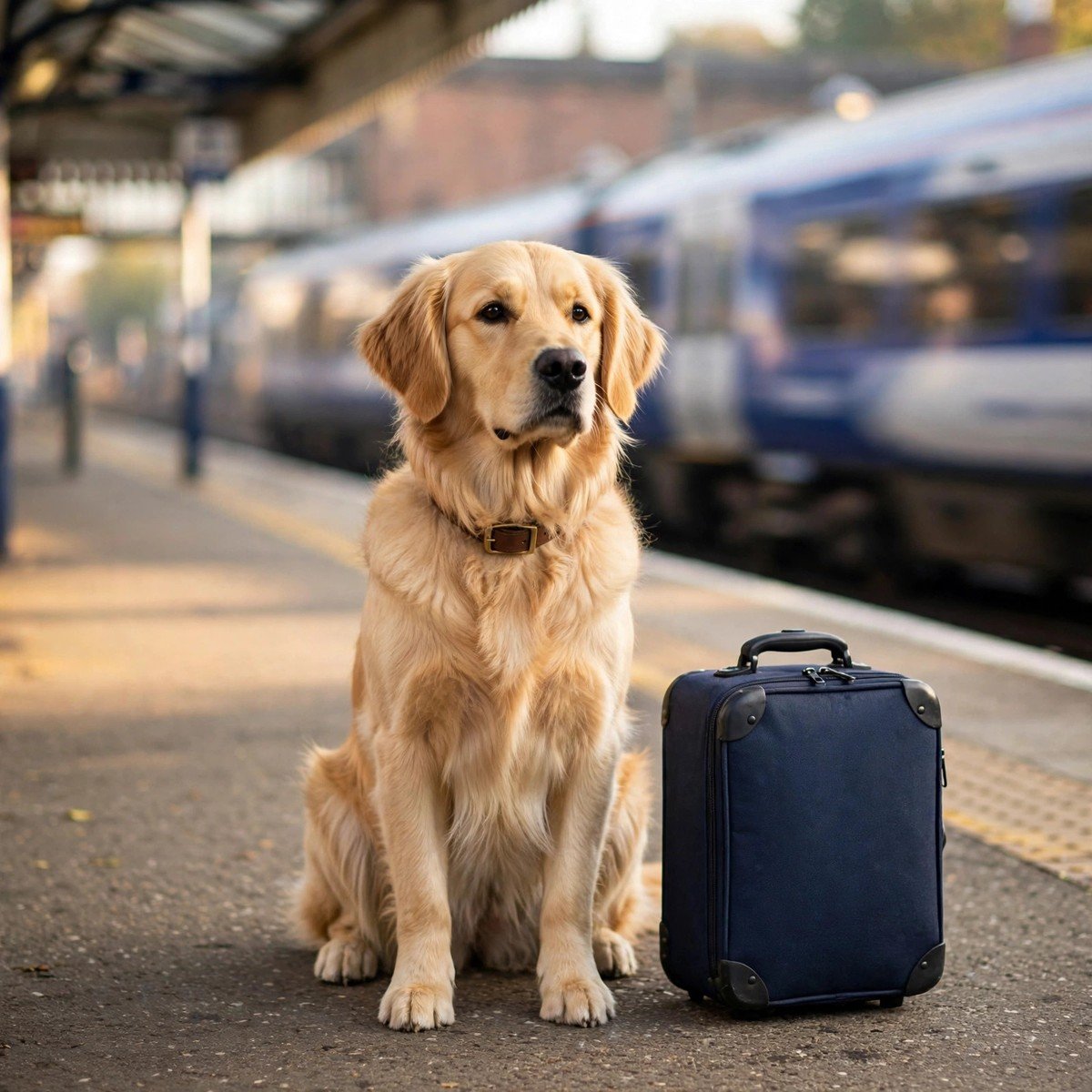
The Only Passenger Who Never Pays Full Fare
While you are counting travel days and splitting tickets, your dog is already the smartest traveller in the house — he never books an anytime fare, never pays a booking fee, and never misses a refund. He just sits by his suitcase, patient as ever, waiting for the next adventure.
 🐶
Free Pet Guides
Want to take him along in style?
🧮Money Tools
Earnrove - Check the Numbers First