
How to Save Money on Vet Bills UK in 2026: The Prescription-First System That Cuts Long-Term Medicine Costs by Up to Half

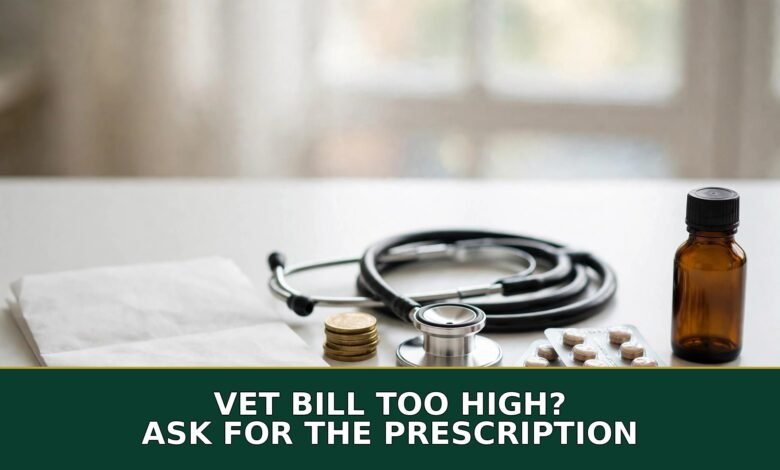
My neighbour’s Labrador needs one small tablet every day for the rest of her life, and the practice charges £60 a month for it — more than my neighbour spends on her own prescriptions. She paid it without a word. If you want to know how to save money on vet bills uk, start here: most of the saving is not haggling at all. It is asking for one piece of paper before you pay.
Quick answer: sort every vet bill into one of four types — long-term medicine, a big one-off treatment, routine care, or an emergency. Long-term medicine is usually the biggest win: the same tablets from a licensed online pharmacy cost 30–50% less, saving owners more than £200 a year. Big treatments need a written estimate, routine care is often cheaper with a vet nurse, and emergencies are where insurance bought young earns its keep.
What changed in September 2026 — and what has not started yet
Vet prices in the UK rose 63% between 2016 and 2023, according to the Competition and Markets Authority, whose final report landed in March 2026 and whose legally binding order followed on 22 September 2026.
Here is the part most guides get wrong. The order caps the written-prescription fee at £21.40 for the first medicine and £12.70 for each extra one, including VAT, fixed until 31 March 2028. But the cap does not apply yet: large groups must comply from 22 March 2027, smaller practices from 22 September 2027. Until then, fees are uncapped — the CMA found them from about £10 to well over £30 — and some older guides still quote £16, an early proposal now out of date.
So the cap is coming, but it is not your tool today. What you can use today: the written prescription on request, price lists from December, written estimates during 2027.
The Prescription-First System: sort the bill before you pay it
Most vet-bill guides hand you a flat list of tips. That fails: the trick that saves £200 on tablets does nothing for a £3,000 operation. So sort the bill first — every vet bill falls into one of four types, each with its own lever:
- Type 1 — Long-term medicine: monthly tablets. Lever: the written prescription and an online pharmacy.
- Type 2 — A big one-off treatment: surgery, scans, dentistry — anything over £500. Lever: the written estimate and a second opinion.
- Type 3 — Routine care: boosters, flea and worm treatment, check-ups. Lever: the right clinician and a health plan.
- Type 4 — The emergency: the accident or the sudden diagnosis. Lever: insurance you bought before you needed it.
Type 1: long-term medicine — the £200-a-year move
Most UK pet owners lose the most money here. Over 70% buy long-term medication directly from their vet, even though the CMA found they could save more than £200 a year by buying it online. The medicine is identical — only the seller differs.
Worked example (prices labelled as an example): medicine costs £60 a month at the practice — £720 a year. The same medicine online at 40% less costs £36 a month — £432 a year. Add prescription fees: a new one every six months at £25 each is £50 a year. Online total: £482 against £720 at the practice — £238 saved a year, right in line with the “more than £200 a year” figure.
At your next appointment, ask for a written prescription. Your vet must give you one if you ask, and from 2027 the fee is capped at £21.40. Ask how long it covers: six months means one fee instead of six. Order from a licensed UK online pharmacy — VetUK, Pet Drugs Online and Animed Direct are the established names. A legitimate pharmacy will always ask to see the prescription; any seller that doesn’t is one to avoid.
Type 2: a big one-off treatment — get it in writing
Anything expected to cost over £500 is where a five-minute conversation saves real money. From 2027, practices must give you a written estimate and an itemised bill in advance for non-emergency treatment over £500, including aftercare — so ask for one now.
Read the estimate line by line — blood tests, X-rays, anaesthesia and overnight stays are often listed separately. If the total shocks you, a second opinion is your right. Consultation fees alone range from £40 to £81, and independent practices are often cheaper. Ring two or three local practices and compare like with like.
Type 3: routine care — the nurse, the plan and the prevention
First, ask who needs to do the job. For weight checks, dental checks, nail clipping and post-operative monitoring, a veterinary nurse can often do the appointment instead of a vet — nurse appointments are generally much cheaper.
Second, look at your practice’s Pet Health Plan: boosters, flea and worm treatment and check-ups for typically £20 to £35 a month. It only saves money if you use everything in it — add up last year’s spend first.
Third, prevention is the cheapest medicine in this guide. A skin irritation that costs £50 to sort out now can become a chronic allergy costing £1,000 or more a year if you leave it. Keeping your dog at a healthy weight and brushing its teeth cost almost nothing. The average UK vet claim is £685, and the PDSA puts it above £1,000.
Type 4: the emergency — decide on insurance before you need it
Emergency surgery costs £1,500 to £3,000 or more, and cancer treatment can run £5,000 to £15,000. You cannot shop around at the time — so decide before, when your pet is young and healthy.
The policy type matters more than the brand. A lifetime policy resets its annual limit every year, so it keeps covering a condition that needs treatment year after year; a time-limited policy stops paying after 12 months. For a young, healthy dog, lifetime cover typically costs £20 to £60 a month; accident-only cover can be £5 to £10 a month, but it pays for accidents only — not illness, where the big bills usually come from.
On a £3,000 bill with a £200 excess and 20% co-insurance, you pay £760 and the insurer pays £2,240; without cover, you pay the full £3,000. Insure while your pet is young and healthy: anything that develops first becomes a pre-existing condition and won’t be covered. A policy bought at six months old covers the cruciate ligament that goes at six years old; the same policy bought at six years old, after the first limp, does not.
If money is tight right now
Sometimes the bill is already in your hand and the money isn’t there. Start with the charities: the PDSA, Blue Cross and RSPCA offer free or low-cost vet care to people on certain means-tested benefits, and Animal Trust is a non-profit practice offering low-cost care regardless of background. Check eligibility first — rules differ, and some have waiting lists.
Then ask your practice about a payment plan. Many will spread a large bill over a few months if you ask before the treatment. It is not guaranteed, and it is not a discount, but it turns a bill you cannot pay into one you can. Don’t put off the visit. The same bill-first thinking works on your other household bills too — our guide to saving money on water bills runs on the same idea.
Keep a small buffer if you can — even £10 a week is £520 a year. The same habit is where our guide to saving for a house deposit while renting starts.
Your 7-day start plan
Day 1: sort your last vet bill into its type. Day 2: ask your practice for a written prescription, and how long it covers. Day 3: compare the same medicine at two licensed online pharmacies. Day 4: check your practice’s price list and ring one other local practice — if the cheaper one is a train ride away, check the fare first with our guide to saving money on train fares. Day 5: get three lifetime-policy quotes and compare the excess, not just the premium. Day 6: book the routine appointment you have been putting off — ask if a nurse can do it. Day 7: set up the buffer — even £10 a week, tracked with one of the free budgeting apps we tested — and set a prescription renewal reminder.
Frequently asked questions
Is the £21 prescription cap in force yet?
No. The cap is £21.40 for the first medicine and £12.70 for each additional one, including VAT, fixed until 31 March 2028 — but it only starts for large groups on 22 March 2027, and for smaller practices on 22 September 2027. Until then, fees are uncapped, so save today by asking for the prescription and buying the medicine online.
Can my vet refuse to give me a written prescription?
No. Your vet must give you a written prescription if you ask. They can charge a fee for it, uncapped until the 2027 dates above. If the fee looks high, ask how long the prescription covers — six months costs one fee instead of six.
Is it safe to buy pet medicine online?
Yes, from a licensed UK online pharmacy — VetUK, Pet Drugs Online and Animed Direct are established names. A legitimate pharmacy always asks to see your written prescription first. Never buy from a seller that doesn’t ask for one.
Is pet insurance worth it?
It depends on your pet and your savings. Lifetime cover for a young, healthy dog typically costs £20 to £60 a month and resets its limit every year. On a £3,000 bill with a £200 excess and 20% co-insurance, you pay £760 and the insurer pays £2,240. Buy it young — anything that develops first is a pre-existing condition and won’t be covered.
What if I genuinely can’t afford the vet bill?
Check the charities first: the PDSA, Blue Cross and RSPCA offer free or low-cost care to people on certain means-tested benefits, and Animal Trust offers low-cost care more widely. Then ask your practice about a payment plan. Don’t delay the visit — a £50 problem today often becomes a £1,000 problem.
Conclusion
Learning how to save money on vet bills uk owners face in 2026 comes down to one habit: sort the bill before you pay it. Long-term medicine goes online with a written prescription. Big treatments get a written estimate and a second opinion. Routine care goes to the nurse when it can, and the emergency gets decided in advance with a lifetime policy bought young. Start with day one of the plan above. For more guides in this series, see the Personal Finance category.
Get Your Own Website Free — Start Earning From Your Love of Animals
If the vet bills in this guide made you wince, here is the longer game. A website is necessary today for every business — and that includes the small pet business you keep thinking about, whether it is dog walking, grooming, a pet blog, or selling handmade leads and collars. It is very simple to set up: just buy hosting through our link and tell the built-in AI about your business, and the AI will make the website for you. No coding, no designer, no weeks of waiting.
 🌐
Free Website
🌐 FREE Website — Turn Your Ideas Into Income
Disclosure: This article contains an affiliate link. If you purchase hosting through it, we may earn a commission at no extra cost to you.
And if you want to earn a handsome amount monthly, make a website and start writing helpful articles on it — the same kind of honest, useful guides you just read. Google traffic can turn into monthly income over time, but it takes consistent articles, not overnight magic. Nobody can promise you earnings, and we won’t. What we can promise is the method: one helpful article at a time, week after week.
Buy hosting through our link, send us your receipt through the JobyRoz contact page, and we will guide your basic business website setup for FREE. Disclosure: This article contains an affiliate link. If you buy hosting through it, we may earn a small commission at no extra cost to you.

The Only Patient Who Checks the Prescription Before Paying
He sits through every vet visit like a very good boy — then comes home and checks the bill with those big golden eyes. Sound familiar? If your dog’s medicine costs more than your own, you are not alone, and you are not stuck with it.
Before you buy anything else for your best friend — the bed, the treats, the clever gadget — read an honest guide first at Furveko.com, where every dog and cat product is picked for real homes, not for the advert.
 🐶
Free Pet Guides
More ways to keep more of your money: use the free calculators at Earnrove.com to work out exactly what the medicine switch saves you each year, and keep your whole household running smoothly with the clean-water guides at Clearove.com.
🧮Money Tools
Earnrove - Check the Numbers First