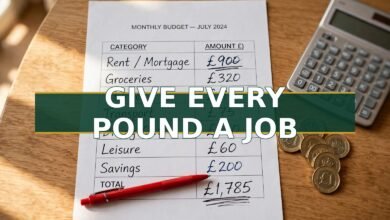
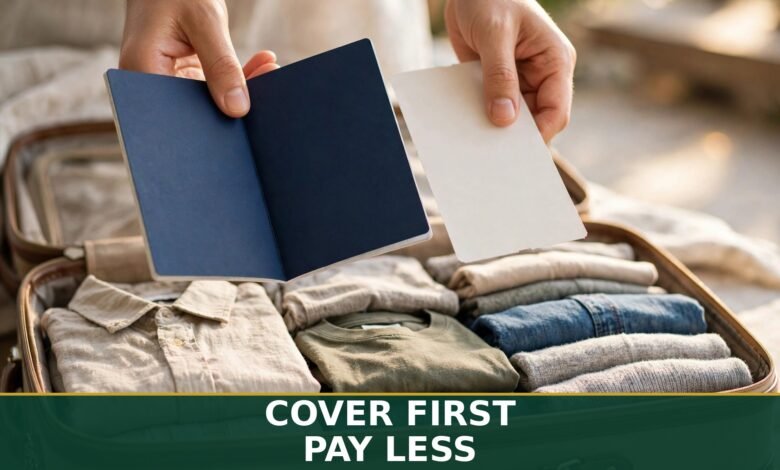
Emma and Dan from Manchester take three European holidays a year: a spring city break, a fortnight in Spain, and an October half-term trip with their two children. Last year they paid £90 for three separate single-trip family policies and never once asked whether one annual policy would have done the whole job for £56. That £34 gap is the whole story. Most people buy it backwards: price first, cover second. If you want to know how to save money on travel insurance UK travellers can use all year, flip the order. Cover first, count your trips, then buy.
Quick answer: the cover-first system in 30 seconds
Check what cover you already have — bank account, home insurance. Set your cover levels first: £2 million of medical cover in Europe, £5 million worldwide, and cancellation cover matching what you actually paid — not the headline price. Count your trips for the next 12 months. Three or more European trips, and an annual multi-trip policy usually wins; for a family it can win from the second trip. Then raise your excess only if you could afford it, declare every health condition, get your free GHIC, and buy the day you book.
Step 1: Audit the cover you already have
First, look for cover you already own. Packaged bank accounts are the big one. Nationwide FlexPlus costs £13 a month (£156 a year) and bundles worldwide family travel insurance with phone insurance and breakdown cover. Halifax Ultimate Reward (around £17 a month) and Virgin Money Club M (£12.50 a month) offer similar bundles. Plenty of people pay for one of these accounts, then buy a separate travel policy anyway — paying twice.
Run the honest test first. A standalone annual multi-trip family policy for Europe costs a median of £56; FlexPlus costs £156 a year, which is £100 more. If travel cover is all you need, the standalone policy wins — FlexPlus only wins if you would happily pay for the phone insurance and breakdown cover as well. Check your home insurance too: gadget cover often duplicates the baggage section. Write down what you already have — every overlap is money you can stop spending.
Step 2: Set your cover levels before you look at prices
Decide what “covered” means first: a cheap policy with the wrong limits is not a bargain — it is a bill waiting to happen. ABTA suggests at least £2 million of medical cover in Europe and £5 million worldwide, and £10 million for the USA, Canada and the Caribbean. UK insurers paid £472 million across 500,000 travel claims in 2024, with the average medical claim at £1,528.
Cancellation cover works differently: insure only the money you cannot get back if you cancel. Emma and Dan’s summer holiday costs £4,000 all in, but only £1,800 of that is prepaid and non-refundable, so £1,800 of cancellation cover is enough. Baggage is the same story: a £1,500 limit with a £300 single-item cap is standard. Set these three numbers first, and only then compare prices.
Step 3: Count your trips — the single vs annual break-even
This is where the real saving lives. Go.Compare’s November 2026 data puts the median single-trip policy at £21 and the annual multi-trip policy at £52. For Europe, a single trip costs a median of £19 and an annual policy £55; worldwide, £46 and £96. MoneySuperMarket’s November 2026 figures agree (£23.49 single, £59.49 annual).
A solo traveller taking three European trips pays 3 × £19 = £57 against £55 annual — a saving of just £2. Take five trips: 5 × £19 = £95 against £55, a saving of £40. Five worldwide trips: 5 × £46 = £230 against £96, a saving of £134. Families cross the line sooner: the family median is £30 single and £56 annual, so Emma and Dan’s three trips cost 3 × £30 = £90 against £56 — £34 saved; five trips would be £150 against £56, a saving of £94. The rule: solo travellers should look at annual cover from three trips a year, families from two. Travel once, and single-trip cover is the right answer. We use the same worked-maths habit in our guide to saving money on car repairs.
Step 4: The excess test
The excess is the part of a claim you pay yourself, and raising it is the fastest way to cut a premium — but only if you could afford it on a bad day. Most policies let you choose an excess between £50 and £250. On a £1,000 cancellation claim with a £250 excess, the insurer pays £750 and you pay £250. If that £250 would wreck your month, the cheaper premium was a false economy.
One trap: the excess usually applies per section, not per claim. If a bag goes missing and you need medical treatment on the same trip, you can pay the excess twice. Read that line before you buy.
Step 5: Declare every health condition
This step costs nothing and skipping it can cost everything. If you do not declare a pre-existing medical condition, your insurer can refuse the whole claim — not just the part related to the condition. ABTA is blunt: declare anything you are being treated for, even something minor or long settled. Specialist insurers exist for exactly this, and declaring is usually far cheaper than people fear. The expensive version is finding out abroad that your policy is void. ABTA also reports that 38% of UK trips are taken with the wrong cover or none at all.
Step 6: Get your GHIC — it is free, and it can waive your excess
Travelling in Europe? Apply for a Global Health Insurance Card before you go. It is free from the NHS website and covers state healthcare in the European Economic Area. Apply on the official NHS site — ignore lookalike websites that charge a fee. A GHIC is not travel insurance — no cancellation, baggage or repatriation — but some policies waive the excess, often £150, if you show your GHIC at treatment. That one free card can save you £150 on a claim. The same count-first thinking works on everyday NHS costs — see our guide to saving money on prescriptions in the UK.
Step 7: Buy the day you book
Buy your policy the day you book, not the day you travel. Cancellation cover starts when the policy starts, so a policy bought the week before departure covers nothing that went wrong in between. If someone falls ill a month before the trip, only a policy bought at booking time pays the cancellation costs. Check the Foreign Office travel advice for your destination first — travelling against it can void a policy outright. Pay with a cashback card or account and the policy effectively costs less; our roundup of the best cashback apps in the UK shows how those returns stack up.
The traps: five mistakes that cost more than the policy
First, the booking-site opt-in: the insurance offered at a flight checkout gives you one option and no comparison. Second, over-insuring the trip price — insure the non-refundable part only. Third, travelling to the USA on a Europe-level policy; American medical bills can run to hundreds of thousands of pounds. Fourth, activity exclusions: skiing, scuba diving and even riding a moped are often excluded. Fifth, the annual auto-renew: a policy that renews itself while your habits have changed leaks money — set a reminder a month before renewal.
Your 7-day start plan
Day 1: check your bank account and home insurance for cover you already have. Day 2: write down your three cover numbers. Day 3: count your trips and run the single vs annual maths. Day 4: compare three quotes, like for like. Day 5: apply for your free GHIC. Day 6: declare every health condition and read the excess wording. Day 7: buy the policy the day you book your next trip, and set a renewal reminder. If you travel by train too, the same habit works — our guide to saving money on train fares in the UK runs the same break-even on railcards. Never put a holiday on a credit card you cannot clear — if card debt is weighing on you, our guide to paying off credit card debt fast is the place to start.
Frequently asked questions
Is annual travel insurance cheaper than single-trip cover?
It depends on trip count. For a solo traveller in Europe, annual cover wins from three trips a year: three singles cost £57 against £55 annual. For a family it wins from two: £60 against £56. At five European trips a year, a solo traveller saves £40 and a family saves £94. Travel once a year, and single-trip cover wins.
Do I still need travel insurance if I have a GHIC?
Yes. A GHIC only gives you access to state healthcare in Europe — no cancellation, baggage, repatriation or private treatment. It is a free extra layer on top of a proper policy, not a replacement.
Does my bank account already include travel insurance?
It might. Packaged accounts such as Nationwide FlexPlus (£13 a month), Halifax Ultimate Reward (around £17 a month) and Virgin Money Club M (£12.50 a month) include travel insurance. Check your benefits before buying a separate policy — but run the maths: £156 a year beats a £56 standalone policy only if you use the phone and breakdown cover too.
How much medical cover do I actually need?
ABTA suggests at least £2 million for Europe, £5 million worldwide, and £10 million for the USA, Canada and the Caribbean. Treatment abroad can cost hundreds of thousands of pounds — never trim this limit to save a few pounds on the premium.
What happens if I don’t declare a medical condition?
Your insurer can refuse your claim — the whole claim, not just the part linked to the condition. Always declare every condition you are being treated for, even if it feels minor. Declaring is cheaper than discovering your policy is void in a hospital abroad.
Conclusion
Travel insurance is one of the few things in life where the cheapest option is rarely the worst and the dearest is rarely the best — what matters is the order you buy it in. That is how to save money on travel insurance UK families can rely on: audit what you already have, set your cover levels, count your trips, and let the arithmetic pick single or annual. Emma and Dan saved £34 a year by switching three single-trip family policies for one annual policy, keeping the same £2 million of medical cover. Pay less, keep the protection, and never find out abroad that the policy you bought was the wrong one.
Get a FREE Website and Turn Your Holiday Know-How Into Income
 🌐
Free Website
🌐 FREE Website — Turn Your Ideas Into Income
Disclosure: This article contains an affiliate link. If you purchase hosting through it, we may earn a commission at no extra cost to you.
If you want to earn a handsome amount monthly, make a website and start writing helpful articles on it — your travel tips, your packing lists, your honest reviews. Google traffic can turn into monthly income, but it takes consistent articles over time, not overnight magic, and nobody can guarantee earnings. Buy hosting through our link, send us your receipt through the JobyRoz contact page, and we will guide your basic business website setup for FREE.
Disclosure: This section contains an affiliate link. If you buy hosting through it, we may earn a commission at no extra cost to you.

The Only Traveller Who Packs His Own Passport
While you are comparing travel insurance and counting trips, someone at home has already packed his own bag — a golden retriever sitting beside the suitcase, passport on top, ready before you are. Is your dog coming along, or staying behind with a sitter? Either way, the packing list matters: the right food, the right bowl, and a bed that actually fits in the car.
 🐶
Free Pet Guides
Save more on every trip at Earnrove — and if clean water matters on your travels, see Clearove’s honest water guides.
🧮Money Tools
Earnrove - Free Money Calculators