How to Become a Delivery Driver UK in 2026: The Route-First System That Gets You Earning in 14 Days

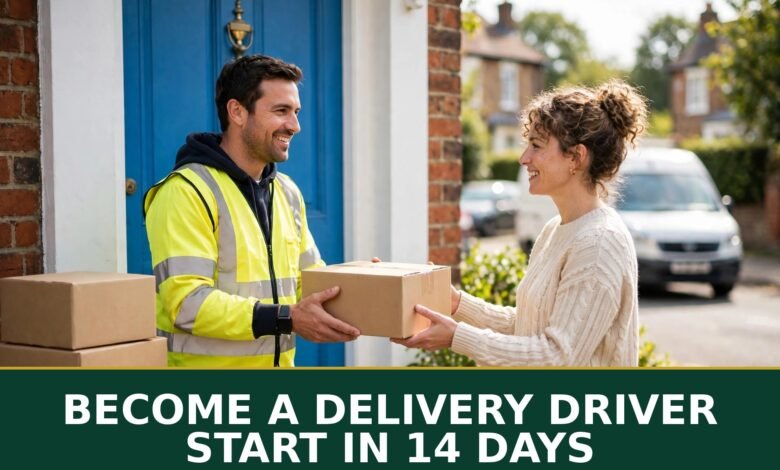
Every morning, thousands of vans roll out of UK depots before breakfast. Behind each wheel sits someone who needed work that started fast, paid regularly, and never asked for a degree. If that sounds like you, November is a good month to start.
But most new drivers make one mistake: they apply for the first job they see. A van job, a parcel round and a food-delivery app look much the same, yet they pay, insure and tax differently. This guide is route-first: choose your model, sort licence and insurance, understand the real pay, then apply. More guides like this live in our Remote Jobs section.
Quick answer: how to become a delivery driver uk
Pick one of four routes first: employed van driver, agency multi-drop driver, self-employed parcel courier, food-delivery driver. Then check your licence covers the vehicle, arrange hire and reward insurance if self-employed, and register with HMRC where the role needs it. Most people make their first delivery within one to three weeks; food-delivery apps can move you in 24 to 48 hours. You do not need a degree or previous experience for most roles.
Step 1: Pick your route first — the 4 ways to drive for a living
Everything else depends on this choice — make it before you apply. Most new drivers skip it, then blame the job when the pay or hours do not suit them. The job was fine. The route was wrong.
| Route | Typical pay | Costs | Freedom |
|---|---|---|---|
| Employed van driver | £22,000–£28,000 a year to start | Firm pays all | Set shifts |
| Agency multi-drop driver | £12.71–£15 an hour | Van often supplied | Pick your days; work can dry up |
| Self-employed courier | Per drop or block; Flex around £13–£17 | You pay fuel, insurance, wear | Choose your hours |
| Food-delivery driver | Varies by hour and area | You pay your own costs | Evenings and weekends busiest |
Employed pay rises to around £28,000 to £35,000 with experience (tonyknows.co.uk, Acorn Insurance). Agency drivers take shifts with different firms via a recruiter such as Blue Arrow. Self-employed couriers deliver for Evri, Amazon Flex, DPD Connect or Yodel — no paid holiday, no sick pay. Food delivery runs through Just Eat, Uber Eats, Deliveroo or Stuart. One question decides it: steady wage or your own hours? Wage means employed or agency; hours means self-employed — and read the Step 5 maths twice.
Step 2: Check your licence before anything else
Category B covers cars and vans up to 3.5 tonnes — most delivery vans. Passed before 1 January 1997? You may already hold C1, covering vehicles up to 7.5 tonnes. Check your photocard or the GOV.UK checker before applying for jobs mentioning bigger vehicles. Larger vans need C1 — extra training and a test — so do not pay for it until a job asks. Apprenticeships exist too: Express Delivery Operative or Urban Driver Level 2 takes around a year (National Careers Service).
Step 3: The insurance trap that catches new drivers
A normal car policy covers social and domestic driving, maybe commuting — not carrying parcels or takeaways for pay. The moment you take money for a delivery, you need hire and reward insurance — sometimes called courier insurance — or your policy is worthless. The penalty is a £300 fixed penalty and 6 points under the Road Traffic Act 1988, section 143. Six points can cost a new licence and push future premiums up for years.
Hire and reward cover typically costs around £800 to £2,500 a year for car drivers (ServiceClub). Some platforms offer a cheaper way in: Evri couriers can add top-up cover for £1.35 per working day through Marsh. Before you pay, check two things: goods in transit cover for the parcels, and cover for every platform you plan to drive for. Confused by the wording? Ring the insurer and ask: “Does this cover me delivering parcels for pay?” Get the answer in writing.
Step 4: HMRC and the 55p-a-mile maths
Self-employed couriers must register with HMRC when they start — your Unique Taxpayer Reference (UTR) is posted within 10 working days (ServiceClub). Registration is free.
For 2026/27, HMRC lets self-employed drivers claim 55p per mile for the first 10,000 business miles, 25p after that. The rate rose from 45p on 6 April 2026 — the first change since 2011/12 — announced 21 May 2026 and backdated. From April 2027, the rate above 10,000 miles is 35p. In practice, 100 business miles a week means £55 tax-free; 10,000 miles a year means £5,500. Keep a mileage log — date, postcodes, miles — or you cannot claim a penny. Employed drivers skip this: the employer sorts tax through PAYE.
Step 5: Honest pay maths — employed vs self-employed
One worked example, carried through so you can check my sums:
Employed: a £24,000 starting salary — inside the £22,000 to £28,000 range — is £2,000 a month before tax. After tax and National Insurance, take-home is around £1,733 a month (tonyknows.co.uk). Van, fuel, insurance and paid holiday are covered by the employer. What you see is close to what you keep.
Self-employed: a parcel courier doing five 4-hour Amazon Flex blocks a week at around £15 an hour — the middle of the £13 to £17 range — earns £60 a block, or £300 a week before costs. Insurance in the middle of the £800 to £2,500 range is £1,650 a year, or £33 a week over 50 working weeks. Then the miles: say 200 business miles that week. At 55p, those miles are worth £110 of tax-free allowance. So £300 minus £33 insurance minus £110 mileage leaves £157 a week before income tax, around £680 a month — fuel, phone and wear all inside that £110.
On like-for-like hours, the employed driver keeps more, more steadily. The self-employed courier only pulls ahead by working longer hours or finishing more drops per hour. What self-employment buys you is freedom: pick your days, skip a week, work around the school run. Flex versus Evri? Flex pays per block or hour, so you know what a shift is worth upfront. Evri-style work is usually paid per drop, so a fast round on a tight estate can pay well and a scattered rural round can drag — no single winner. If the sums put you off self-employed driving, that is fine: plenty of people start employed, learn the roads for a year, then go self-employed with their eyes open. If driving is not your thing at all, How to Start Freelancing With No Experience is a good next read for flexible work that does not need a van.
Step 6: Why November is the best month to apply
Parcel firms hire hardest in November and December: Christmas shopping floods the depots, regular drivers take holiday, firms bring in extra hands — more roles, faster decisions, less fuss about experience. Apply now: starting in mid-November means the busiest weeks as paid practice, and firms remember the people who showed up — some keep their best seasonal drivers on after January. For other short-term work alongside a driving round, see our guide to Christmas temp jobs UK.
Step 7: Your 14-day start plan
Food delivery takes 24 to 48 hours, parcel platforms one to two weeks, and most couriers are up and running within one to three weeks.
Days 1–2: Choose your route and check your licence covers the vehicle. Note your weekly costs before you commit.
Days 3–4: Get three hire and reward quotes if going self-employed; compare cover, not just price.
Day 5: Register with HMRC if needed, and apply to two platforms or employers.
Days 6–7: Gather your documents — licence, proof of address, bank details, insurance certificate — and keep copies on your phone.
Days 8–10: Attend onboarding, vehicle checks or trial shifts, and ask where the depot is and who to ring when a parcel cannot be delivered.
Days 11–13: Run your first shifts, log every mile from day one, track every pound.
Day 14: Review your numbers: earnings, costs, does the route suit you? If not, you have lost two weeks, not two years.
Step 8: Scams and red flags to dodge
Never pay a fee before you start earning. Real employers never charge you to apply, get a route or “unlock” better shifts — upfront payment means walk away. Van-lease traps work the same way: a cheap-sounding weekly lease can eat your whole week once you add insurance and fuel — get the full weekly cost in writing first. Finally, ignore any advert promising “guaranteed £800 a week”. No honest firm guarantees a weekly figure — your pay depends on your hours, area and season.
Frequently asked questions
How much do delivery drivers earn in the UK?
Employed drivers start on £22,000–£28,000 a year, rising to £28,000–£35,000 with experience. Agency drivers earn around £12.71 to £15 an hour. Self-employed couriers are paid per block or per drop — Amazon Flex around £13 to £17 — but fuel, insurance and tax come out of that.
Do you need insurance to be a delivery driver in the UK?
Yes, if you are self-employed. A standard policy does not cover paid deliveries — you need hire and reward insurance, typically £800 to £2,500 a year. The wrong policy can mean a £300 fixed penalty and 6 points. Employed drivers are covered by their employer.
Can you be a delivery driver with no experience?
Yes. Most roles ask for a valid licence and the right insurance, not previous experience. Food delivery can start in 24 to 48 hours.
How long does it take to become a delivery driver in the UK?
Most couriers are up and running within one to three weeks: food delivery in 24 to 48 hours, parcels in one to two weeks.
What licence do I need to be a delivery driver in the UK?
Category B covers cars and vans up to 3.5 tonnes — enough for most delivery work. Vehicles up to 7.5 tonnes need C1, which you may hold if you passed before 1 January 1997. Check GOV.UK first.
The bottom line
Delivery driving is one of the quickest honest ways into paid work in the UK, but only when you pick the right route first. Employed driving gives you a steady wage and costs covered; self-employed driving gives you freedom and a bill for every mile. Check your licence, buy the right insurance, register with HMRC, follow the 14-day plan. If the road is not for you, try other no-experience routes — see How to Get a Job in the NHS With No Experience and How to Become a Teaching Assistant UK.
Your own website: the next step after the driving
Once you are out on the road, you will notice something: every depot, takeaway and local shop you deliver for needs customers to find it. A website is necessary today for every business, even a one-van delivery round. The good news is that setting one up is very simple. Buy hosting through our link, tell the built-in AI about your business — a local delivery service, a courier round, a shop that needs orders — and the AI will make the website for you. No coding, no designer, no weeks of waiting.
And here is the part drivers like most: a simple website can become a second income of its own. Make a website and start writing helpful articles on it — delivery tips, local guides, honest advice — and Google traffic can turn into monthly income over time. It takes consistent articles, not overnight magic, and nobody can promise you a set amount. But a driver who writes about the roads they already know is starting with an advantage most bloggers never get.
 🌐
Free Website
🌐 FREE Website — Turn Your Ideas Into Income
Disclosure: This article contains an affiliate link. If you purchase hosting through it, we may earn a commission at no extra cost to you.
Buy hosting through our link, send us your receipt via the JobyRoz contact page, and we will guide your basic business website setup for FREE. No experience needed — if you can drive a round, you can follow the setup steps with our help.
Disclosure: This section contains an affiliate link. If you buy hosting through it, we may earn a commission at no extra cost to you, which helps keep JobyRoz free for readers.
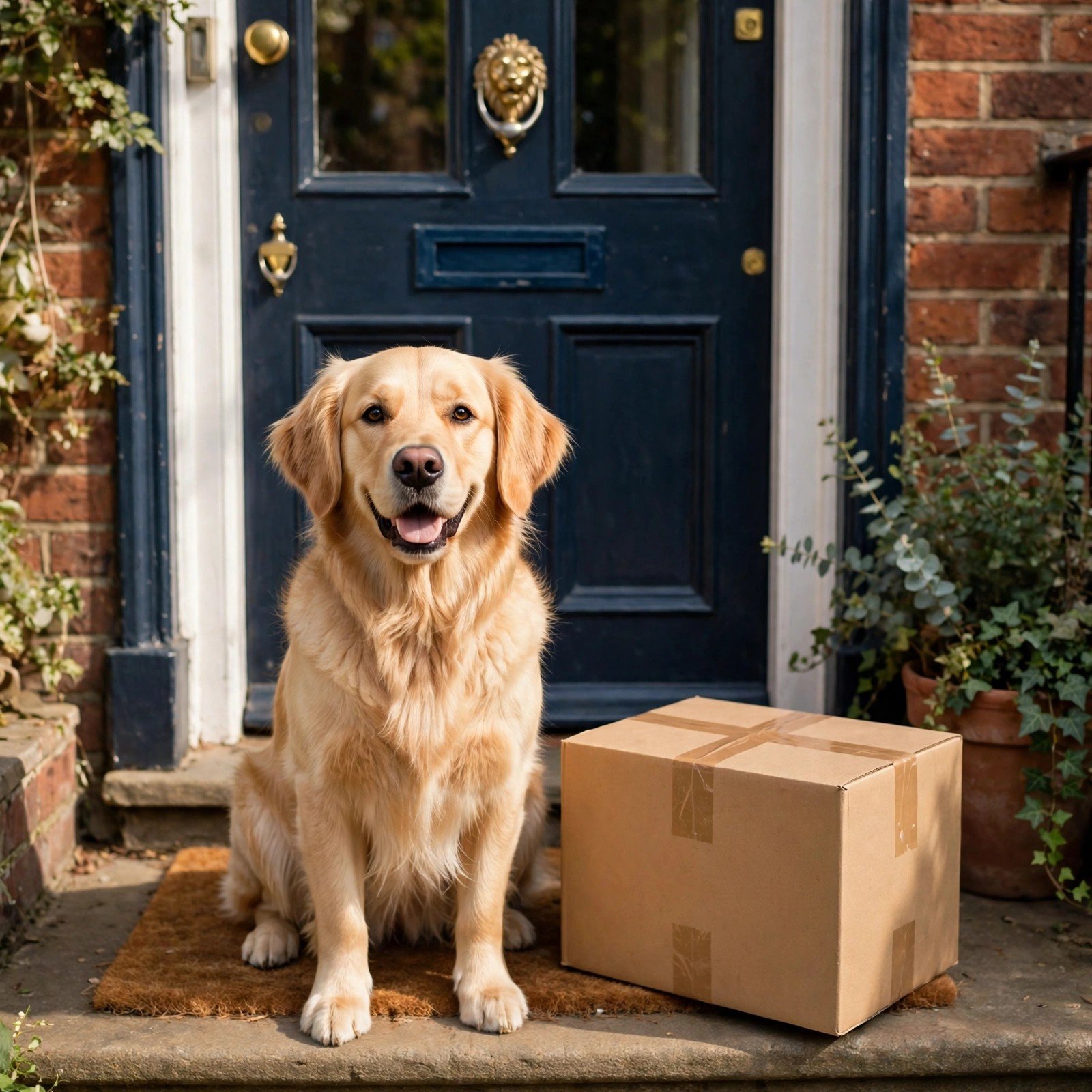
The Only Delivery Driver Who Works for Treats
Our golden retriever has never missed a delivery, never asked for a day off, and happily guards every parcel on the doorstep — all for one biscuit and a belly rub. He may not know the 55p-a-mile rule, but he knows exactly when the van pulls up. Fancy a delivery partner with that kind of loyalty?
 🐶
Free Pet Guides
Before your next shift, check your real costs with the free money tools at Earnrove — work out what each mile is truly costing you — and when you get home, pour a glass of clean water from Clearove and plan tomorrow’s round properly.
🧮Money Tools
Earnrove - Money Tools That Just Work