How to Dress for an Interview UK in 2026: The One-Level-Smarter System That Gets You Taken Seriously

It’s 7 in the morning. Your interview is at 10. Your CV is ready, you’ve rehearsed your answers, and now you’re standing in front of the wardrobe with the one question nobody prepared you for: what do I wear?
Your outfit answers a question before you open your mouth: does this person understand this workplace? Get it right and nobody notices your clothes at all, which is exactly the point. You need one rule, five minutes, and an outfit that fits.
The quick answer
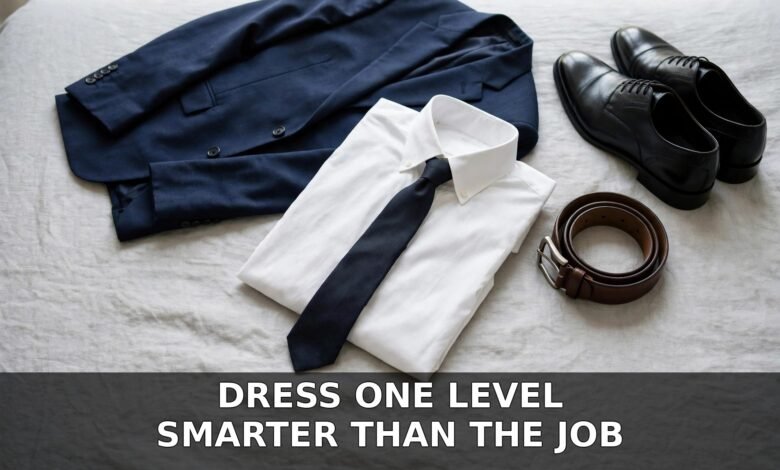
Dress one level smarter than the people who already do the job. If staff wear jeans and hoodies, you wear smart casual. If they wear smart casual, you wear business casual. If they wear business casual, you wear a suit. One level up, never three.
Read the room in five minutes
Before you pick anything, find out what the workplace actually looks like. Check the company’s website and social media for photos of real staff — the team page, the office shots on LinkedIn. Check the job advert too: a firm that mentions “professional dress” is telling you something, and so is a startup whose advert says “come as you are”. If you’re going through a recruiter, just ask them — they know every client’s dress code, and asking makes you look prepared.
If you genuinely can’t find anything, default to business casual (explained below) — the safest middle ground in the UK. And remember: it is better to be slightly overdressed than underdressed. Dress is one part of the morning — the rest works the same way, planned in advance rather than crammed.
The three levels, decoded
In the UK, almost every interview outfit sits in one of three levels.
Formal business wear is the top level: a suit in navy, charcoal or dark grey, a plain white or light blue shirt, a tie if you wear one, a smart dress with a blazer, and polished formal shoes. This is for corporate and finance roles, law firms and senior positions. Colours stay quiet — navy, charcoal, mid-grey, white.
Business casual is the middle level, and it’s where most UK interviews live: smart trousers or chinos, a shirt or blouse, a blazer or smart knitwear, and clean loafers or formal shoes. No tie, no full suit. This covers most office roles — HR, marketing, operations, admin — and NHS interviews too.
Smart casual is the relaxed level: neat dark jeans with no rips or fading, a plain top or shirt, a blazer or smart overshirt, and clean trainers or smart flats. This fits tech startups, creative agencies, hospitality, retail and manual roles. But it’s not your weekend clothes: the jeans are dark and plain, the top is ironed, the shoes are clean.
What to wear by sector
Corporate, finance and law. Formal business wear, full stop: a navy or charcoal suit, white or light blue shirt, tie if you wear one, polished black shoes. Keep jewellery to one or two pieces and skip strong aftershave or perfume — interview rooms are small.
NHS and public sector. Business casual, leaning smart. A tailored suit or smart dress in neutral tones works, but so does a blazer with smart trousers — the NHS wants professional and approachable, not corporate. For healthcare assistant or porter roles, a smart shirt with dark trousers is fine. If you’re applying to the NHS with no experience, the entry routes matter as much as the outfit.
Retail and hospitality. Smart casual, and think about the brand. A smart shirt and dark trousers will do for most shop-floor and restaurant roles; a premium brand deserves business casual. You’ll be on your feet, so wear shoes you can walk in and keep grooming tidy.
Tech and creative. Smart casual is the norm, and this is the one sector where a bit of personality helps — a textured jacket, a muted colour, a decent watch. But it should be a whisper, not a shout: one interesting piece, everything else plain. A big corporate tech firm deserves business casual.
Warehouse, driving and manual roles. Smart casual, practical and clean. Dark trousers or smart jeans, a plain shirt or polo, clean shoes you can walk in. You don’t need a suit — wearing one can look like you don’t understand the job. Bring your documents in a folder, not folded in your pocket.
A complete interview outfit for under £50
You don’t need to spend much. A blazer for around £25 (navy or charcoal, from M&S or Next — charity shops in good areas often have barely-worn ones for under a tenner); smart trousers for around £12–15 (dark, plain, the right length — Primark and Tesco’s F&F range both do good ones); and a shirt or blouse for around £8–10 (white or light blue, ironed — the piece closest to your face, so keep it plain).
That’s roughly £45–50 for everything except shoes, and half that if you already own a decent shirt or dark trousers. Spend where it shows — the blazer and the fit — and save where it doesn’t. The shoes should be the pair you already own, cleaned and polished: a £10 tin of polish does more than a £60 pair of new ones. Get the trousers hemmed if they’re too long, and wear the outfit once around the house first, so you find out now — not in the waiting room — that the shirt pulls or the shoes pinch.
Video interviews: the frame rules
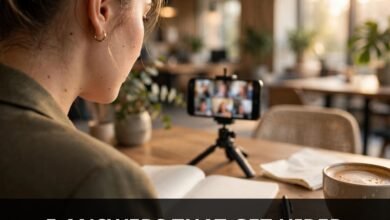
Video interviews change the rules, because the camera only sees your top half and it lies about colours. Dress as you would in person from the waist up, but check four things first. Avoid tight checks, thin stripes and busy patterns; they shimmer on camera. Avoid bright white shirts — they blow out and darken your face, while light blue or a soft pastel photographs far better. Check your background before the call, not during it: a tidy neutral wall, a bookshelf, a closed door. And sit with the light on your face, not your back — a window in front of you beats a window behind you.
One more thing: wear the full outfit, including proper trousers and shoes. You probably won’t stand up. But if the doorbell goes, or the cat knocks something over, you will be very glad you did.
The night-before kit
The morning of an interview is the worst time to discover a problem. Do this the night before.
- Iron or steam everything, then hang it up — not folded on a chair, where it creases overnight.
- Check for the small things: loose buttons, a stain you forgot, pet hair on dark fabric. A lint roller costs a pound and saves a black suit.
- Polish the shoes and lay them by the door with socks, belt and any jewellery you’re wearing.
- Pack your bag: printed CV, the job description, a pen, water, mints, and the address with the route already checked.
- Plan when you’ll leave, with 30 minutes spare.
Then sleep. An outfit chosen calmly the night before always looks better than one chosen in a panic at 7am.
Seven outfit killers
1. Jeans when you’re not sure. If you had to ask whether jeans are okay, they probably aren’t — for that interview. In doubt, trousers win.
2. Loud logos and slogans. A big brand logo turns your chest into a billboard. The interviewer should be reading your face, not your T-shirt.
3. Strong perfume or aftershave. One spray, applied early, or none at all. Interview rooms are small, and a cloud of fragrance is memorable for the wrong reason.
4. Brand-new shoes. Never wear shoes for the first time to an interview. Blisters change how you walk and how you think. Break them in at home first.
5. Wrinkles. A wrinkled shirt says you didn’t prepare, even when you did. Iron it, or choose a fabric that doesn’t crease.
6. Too much jewellery. One or two pieces, quiet and simple. Dangling earrings and a stack of bracelets compete with what you’re saying.
7. Anything that distracts you. A tie that chokes, a skirt you keep tugging at, a heel you can’t walk in. If you’re thinking about your clothes, so is the interviewer.
Frequently asked questions
Can I wear jeans to an interview in the UK?
Yes, in the right sector — tech startups, creative agencies, retail, hospitality and manual roles are all fine with neat, dark, plain jeans. No, if the role is corporate, finance, law or senior management. If the people doing the job wear jeans, you can wear smarter jeans. If they don’t, wear trousers.
What should I wear to an NHS interview?
Business casual: a tailored suit or smart dress in neutral tones, or a blazer with smart trousers and a plain shirt. The NHS looks for professional and approachable — nothing flashy, nothing too casual. Comfortable smart shoes help if you’re shown around a department. For healthcare assistant or porter roles, a smart shirt with dark trousers is fine.
Do I need to wear a suit to an interview?
Only for formal sectors — corporate, finance, law, senior roles and client-facing jobs. For most UK interviews, business casual (smart trousers, shirt, blazer) is the right level. A suit is never wrong, but in a startup or warehouse it can look like you don’t understand the workplace.
What colours should I wear to an interview?
Navy, charcoal, mid-grey, white and light blue are the safest. A muted accent like burgundy or dark green is fine. Avoid neon colours, bright red and busy patterns, and skip bright white on video calls, where it blows out on camera.
What should I wear to a video interview?
Dress as you would in person from the waist up: a plain shirt and blazer in a solid colour. Avoid tight checks and thin stripes, which shimmer on camera, and avoid bright white, which washes your face out. Check your background and lighting before the call, and wear the full outfit in case you have to stand up.
Conclusion
Interview dressing isn’t about fashion or money. It’s about showing, in the first ten seconds, that you understand the room you’re walking into. Dress one level smarter than the people who do the job, and lay it all out the night before. Then your clothes stop being something to worry about — and the morning is free for the part that actually gets you the job: what you say when they ask you to tell them about yourself.
More interview and job-hunting guides in our Remote Jobs section.
Your Interview Outfit Is Sorted — Now Dress Your Business the Same Way
An interview outfit makes a first impression in ten seconds. A business website does the same thing — it is the first thing people judge before they hear a word about what you do. And just like interview dressing, it doesn’t need to cost a fortune or take weeks. Today it’s simple: buy hosting through our link, tell the built-in AI about your business, and the AI builds the website for you. No coding, no designer, no technical skills needed.
 🌐
Free Website
🌐 FREE Website — Turn Your Ideas Into Income
Disclosure: This article contains an affiliate link. If you purchase hosting through it, we may earn a commission at no extra cost to you.
And if you’d like to earn a handsome amount every month, a website is one of the most honest ways to start: write helpful articles on it, let Google bring readers, and let that traffic turn into monthly income over time. It takes consistent articles, not overnight magic — nobody can promise you earnings, and neither do we. But every month you publish is a month your site works a little harder for you.
Buy hosting through our link, send your receipt via the JobyRoz contact page, and we will guide your basic business website setup for FREE.
Disclosure: This section contains an affiliate link. If you buy hosting through it, we may earn a small commission at no extra cost to you.
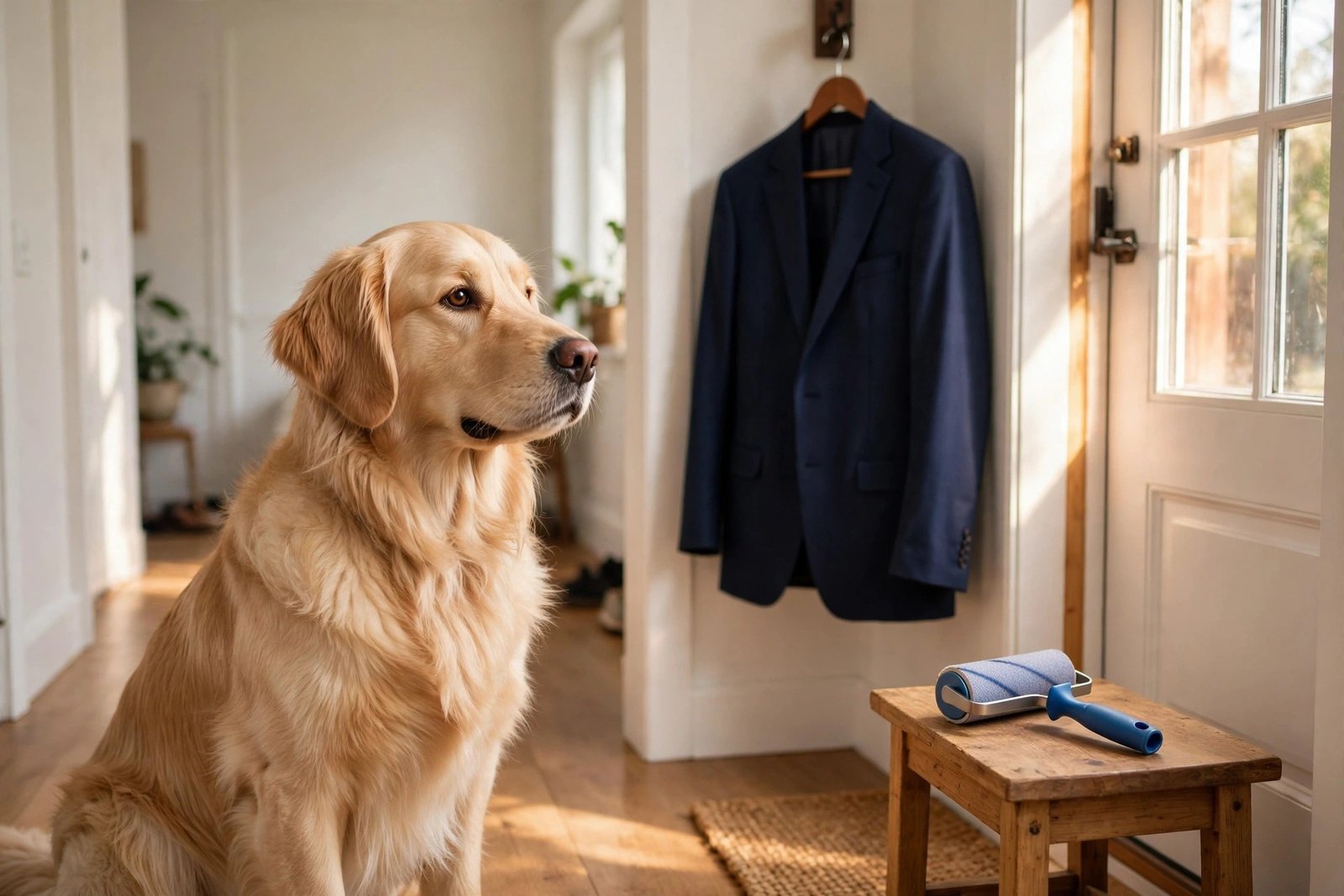
The Morning Your Best Suit Met the Dog
You ironed the suit, polished the shoes, and laid everything out the night before — then the dog decided your lap was the perfect spot for a morning cuddle. Now your black trousers look dusted with golden fur, and the interview is in an hour. Sound familiar?
 🐶
Free Pet Guides
Two more free tools before you go: work out what the new job is really worth with the free salary and take-home pay calculators at Earnrove, and if the new job means a new place, check your tap water with the honest guides at Clearove.
🧮Money Tools
Earnrove - Money Tools That Just Work