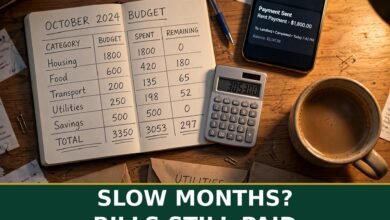
How to Build an Emergency Fund UK: The 2026 Starter Plan That Works on a Tight Budget

My boiler packed in on a Tuesday in February: a cold house, a blinking error code, and an engineer quoting £340. I had the money, so it was an annoying week. Without it, that repair would have landed on a credit card and probably still been hanging around in August. That gap, between an annoyance and a crisis, is exactly what an emergency fund is for.
If you live in the UK and you keep meaning to build one, this guide walks you through it properly: how much you actually need, where to keep it, and a starter plan that works even when money is tight.
Quick Answer: How Do You Build an Emergency Fund in the UK?
Open a separate easy-access savings account, pick a starter target of £1,000, and set up a standing order that moves money into it on payday. Once you hit £1,000, keep going toward one month of essential bills, then three months if your income allows. Treat the fund as untouchable except for genuine emergencies like a boiler repair or an MOT failure.
How Much Emergency Fund Do You Need in the UK?
Most UK money guides land on the same range: three to six months of essential spending. Essential means the bills that do not stop when your income does: rent or mortgage, council tax, energy, water, food, phone and broadband, transport, and minimum debt payments. Takeaways and streaming are not essentials, even if they feel like it on a Friday night.
Here is a simple way to work out your number. Add up one month of those essentials. Say yours come to £1,400. Your starter target is £1,000, your one-month target is £1,400, and three months is £4,200. Seeing it broken down like that makes the whole thing less scary, because you are not chasing a huge final figure on day one. You are chasing £1,000, then £1,400, then the next step.
Where you sit in that range depends on your situation. Three months suits a steady salaried job with a partner’s income behind it. Aim closer to six months if you are self-employed, the only earner, on irregular hours, or supporting children.
One honest note: the official numbers show how many people are starting from zero. The Financial Conduct Authority found one in ten UK adults has no cash savings at all, and another 21% have less than £1,000 to draw on. If you have nothing saved right now, you are far from alone.
Where Should You Keep Your Emergency Fund in the UK?
Keep it boring, separate, and easy to reach. An easy-access savings account with a UK bank or building society ticks all three boxes: you can withdraw the money within a day or so, it sits apart from your everyday spending, and it is covered by the Financial Services Compensation Scheme. Check the current limit yourself, because protection rules do change.
A Cash ISA can work too, as long as withdrawals are free and instant. Avoid locking the whole fund away in a fixed-term account with a notice period, or investing it in shares. Investments can drop in value right when you need the cash, and a 90-day notice period is useless when the washing machine floods the kitchen on a Sunday.
The separate-account part matters more than the interest rate. Plenty of people save diligently into their current account, then watch the balance quietly melt into everyday spending. A different account creates just enough friction to protect the money. If your bank lets you nickname accounts, call it “Emergencies only”.
How Do You Build an Emergency Fund on a Low Income?
Most guides skip this part with a breezy “just save more”. If your budget is already tight, your first job is not finding £200 a month you do not have. It is finding £10 or £20 a week and making it automatic.
Start by picking one small leak and redirecting it. One cancelled subscription, one fewer takeaway a week, or switching to own-brand basics for a month can free up £20 to £40 without feeling like a punishment. Our guide to saving money on groceries in the UK has 25 real price tactics if food is your biggest bill, and our energy bills guide covers the fixes that actually move the needle.
Then automate the transfer for payday itself. A standing order of £25 a week builds £100 a month, which is £1,200 in a year. At £10 a week, you still hit £520. Payday automation works because it removes the weekly negotiation with yourself. The money is gone before you can talk yourself out of saving it.
Windfalls help more than people admit. A tax refund, a birthday gift, overtime pay, or money from selling things you no longer use can jump your fund forward by months in a single move. Decide the rule now, while you are calm: half of any windfall goes straight into the fund.
If your income is irregular, the same system still works, just with percentages instead of fixed amounts. Saving 10% of every payment as it lands beats a fixed monthly sum that fails in slow months. Our guide to budgeting on irregular income explains that system in full.
What Counts as a Real Emergency?
This question trips up more savers than any other, so here is a test I use: it has to be unplanned, urgent, and necessary. A boiler repair passes. An MOT failure that stops you getting to work passes. A sudden cut in hours passes.
Planned big bills are a different pot entirely. Car tax, insurance renewals, and a new school uniform in September are all predictable, which means they belong in a sinking fund, not your emergency fund. Our sinking funds guide shows how to set that up.
Using the fund is not failing. If your car needs £400 of work and you pay it from the fund instead of a credit card, the system worked exactly as designed. The only job after that is rebuilding: restart the standing order and top the fund back up.
Emergency Fund or Paying Off Debt First?
The honest answer is: do both, in that order. Build a small starter fund of £500 to £1,000 first, even while you carry debt, then throw everything else at the expensive debt. Without any buffer, the next surprise bill goes straight back onto a card.
Once the starter fund exists, switch your focus: minimum payments on everything, plus every spare pound on the highest-interest debt. When the debt is gone, redirect those same payments into the fund until you reach three months of essentials.
If you are already struggling to meet minimum payments, free help exists. StepChange, National Debtline, and MoneyHelper all offer free, impartial debt advice in the UK. Do not pay a company for debt advice when the free services do the same job properly.
Your 90-Day Emergency Fund Starter Plan
Week 1: Open your separate easy-access savings account and nickname it. Add up one month of essential spending and write down your three numbers: £1,000 starter, one month, three months.
Week 2: Set up the payday standing order, even if it is only £10 a week. Pick one spending leak to redirect and cancel or switch it the same day.
Month 2: Run a no-spend week on non-essentials and sweep what you saved into the fund. Our no-spend month playbook has the written-rules method that gets people past day 10.
Month 3: Review the balance, celebrate the starter milestone if you hit it, and raise the standing order slightly if your pay or hours improved. If you are on Universal Credit, our guide to budgeting on Universal Credit shows how to make one payment last the month.
After 90 days, the habit matters more than the balance. Some people hit £1,000 in that window. Others reach £300 and a system that finally works. Both are real progress.
Common Mistakes That Drain an Emergency Fund
The first mistake is keeping it in your spending account, where it quietly becomes takeaway money. The second is setting the target so high that you give up in week three. £8,400 sounds impressive and impossible at the same time, which is why the £1,000 starter target exists. The third is raiding the fund for predictable bills, which is what a sinking fund is for.
The fourth mistake is stopping contributions the moment the fund is used. A used fund is a working fund, not a failed one. Restart the standing order the next payday. And the fifth is keeping too much cash sitting idle for years once the fund is full. Past three to six months of essentials, extra money usually works harder elsewhere.
If small, steady saving appeals to you, the 52-week money saving challenge and our cash stuffing guide both build the same habit from different angles. And if payday still feels like a cliff edge, our guide to stopping the paycheck-to-paycheck cycle tackles the root pattern.
Frequently Asked Questions
How much emergency fund should I have in the UK?
Start with £1,000, then build toward one month of essential spending, then three to six months. Three months suits stable salaried households; six months suits self-employed people, single earners, and anyone with dependants.
Where is the best place to keep an emergency fund in the UK?
A separate easy-access savings account with a UK bank or building society, or a Cash ISA with free instant withdrawals. The money should be reachable within a day and kept apart from everyday spending.
Can I build an emergency fund on a low income?
Yes. Automate a small payday transfer, even £10 a week, redirect one spending leak, and send half of any windfall into the fund. At £25 a week you reach £1,200 in a year.
Should I pay off debt or save an emergency fund first?
Build a small starter fund of £500 to £1,000 first, then focus extra money on clearing the highest-interest debt. Once the debt is gone, redirect those payments into the fund until you reach three months of essentials.
What should I not use my emergency fund for?
Holidays, new gadgets, and any bill you could have predicted months ahead. Planned costs belong in a sinking fund. The emergency fund is for unplanned, urgent costs like a boiler repair or a sudden loss of income.
The Bottom Line
An emergency fund will not make you rich. What it does is quieter and more useful: it turns the next broken boiler, failed MOT, or short month from a crisis into an inconvenience. Start with £1,000, automate it on payday, and keep it in a separate account. Our Personal Finance guides cover the rest of the system, one practical step at a time.
FREE Website: Turn Your Money Skills Into Something of Your Own
Here is a thought worth sitting with. You have just worked through how to protect your own money with a safety net. A website does something similar for a business: it gives it a home that does not depend on anyone else’s platform or algorithm. And in 2026, a website is necessary today for every business, from a local tradesperson to a side hustle selling crafts from the kitchen table.
 🌐
Free Website
🌐 FREE Website — Turn Your Ideas Into Income
Want a handsome monthly income? Publish helpful articles consistently and let Google traffic grow into real earnings — steady work, never overnight magic. We never guarantee earnings.
Disclosure: This article contains an affiliate link. If you purchase hosting through it, we may earn a commission at no extra cost to you.
And if you want to earn a handsome amount monthly, this is the honest version of how it works: make a website and start writing helpful articles on it. Google traffic can turn into monthly income over time, but it takes consistent articles, not overnight magic. The people who do well are the ones who keep publishing useful content month after month, the same steady habit as building your emergency fund, pound by pound.
Buy hosting through our link, send your receipt via the JobyRoz contact page, and we will guide your basic business website setup for FREE. Disclosure: this section contains an affiliate link. If you buy through it, we may earn a commission at no extra cost to you.
The Rainy-Day Watchdog Who Guards Your Savings Jar
Your emergency fund needs a guard, and this one never sleeps, never spends, and never “borrows” a tenner for a takeaway. He sits beside the jar, eyes on the coins, making sure the rainy-day money stays rainy-day money. Want a watchdog like that for your own savings plan?
 🐶
Free Pet Guides
Money tools more your thing? Earnrove’s calculators can crunch your emergency fund numbers for you, and if the rainy-day jar has you thinking about the water bill too, Clearove covers clean water for a healthier home.
🧮Money Tools
🧮 Earnrove — Free Money Calculators