How to Make Money Testing Websites from Home for Beginners in the USA (No Experience Needed)

If you have ever opened a new app, clicked around for two minutes, and thought, “Why is this button way over here?” — you already understand website testing.
Companies know their own websites too well. They built them, so everything feels obvious to them. What they need is a fresh pair of eyes. Someone normal, who will try to buy something, get confused at checkout, and say out loud exactly where it went wrong.
That is what website testers do. Beginners in the USA get paid for it every day, from a laptop at the kitchen table. You do not need to code, and you do not need a design degree. You mostly need to speak clearly, follow simple tasks, and be honest about what feels easy and what feels annoying.
In this guide, you will learn how it works, what you can realistically expect, the legit platforms to start with, and the small habits that help you get more invitations.
Quick Answer
To make money testing websites from home, sign up free on legit usability testing platforms, complete your profile and a short practice test, then accept invitations when they appear. Most tests take 10 to 20 minutes. You record your screen and voice while completing tasks and explaining what you are thinking. Pay varies by platform and test length, and most pay through PayPal. It works best as flexible side income, not a guaranteed full-time salary.
What Website Testing Actually Is
Imagine a small online store is about to launch a new homepage. Before they spend money on ads, they want five real people to try it.
You get simple tasks: find a product under $50, add it to your cart, try to check out, and say what confused you.
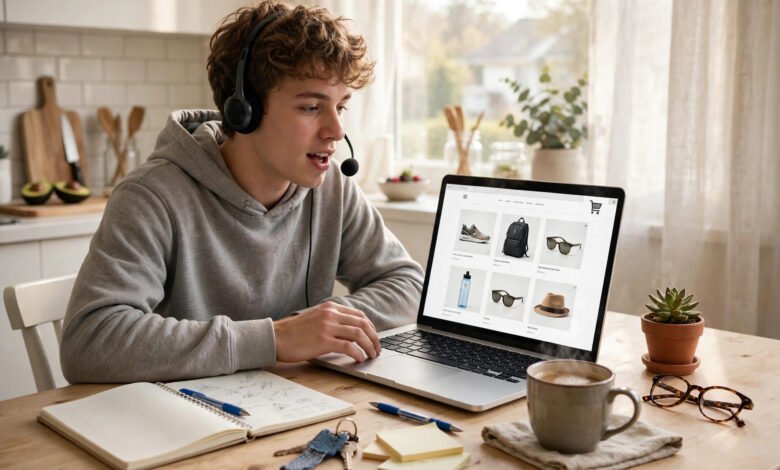
A recorder captures your screen and voice while you talk. “Okay, I am looking for the search bar… I expected it at the top, but I don’t see it… Oh, there it is, smaller than I thought.”
The company watches a few recordings, notices the same problem three times, and fixes it before launch. Your job is not to fix anything. Your job is to be a real user, out loud.
There are two types. Unmoderated tests are common — you record yourself alone and submit it. Live tests are video calls with a researcher who asks questions while you share your screen. Live sessions usually pay more because they take longer and happen at a set time.
How Much Can Beginners Realistically Earn?
Let’s keep this honest. Website testing is real, but it is not predictable like a shift job. You do not clock in and get handed tests. Platforms match you based on your profile — age, location, devices, job, and habits companies are looking for that week.
One week you might get three tests, the next week one. That is normal. Short tests pay less, longer live sessions pay more — check each platform’s current payment page. Pair testing with other ideas from our Online Earning guides so quiet weeks still move.
If anyone promises a fixed daily income from testing alone, walk away. Legit platforms never promise that, and they never charge you to join.
What You Need Before You Start
You probably own most of this already.
A computer or phone. A laptop is best for most platforms. Some tests are mobile-only, so having both gives you more chances.
A microphone. Your laptop mic can work for practice, but a basic headset makes your voice clearer. Companies reject muffled recordings, and rejections mean no pay for that test and fewer invites later.
A quiet corner. Not a studio. Just a room where the TV is off for 15 minutes. Early morning works well for many people in the USA — the house is quiet before work and school.
A PayPal account. Most platforms pay this way. Make sure you can access the email you sign up with.
English you can think out loud in. You do not need perfect grammar. You need to keep talking. Silence is the biggest beginner problem, not accent.
No special software to buy. No course required.
Best Legit Platforms for Beginners in the USA
Start with two or three platforms, not twelve. Finish your profiles properly, learn how each one works, then add more later.
1. UserTesting
One of the largest platforms, with tests from big and small companies. Take the practice test seriously — speak the whole time and complete every task. Your early rating affects your invitations.
2. Trymata (formerly TryMyUI)
Website and app tests with recorded voice plus written feedback. Treat the qualification test like a paid job — it is your audition.
3. Userlytics
Tests on websites, apps, and early product ideas. Some need a webcam, some do not. Having a computer and phone ready helps you qualify more often.
4. UserFeel
A straightforward platform with clear tasks and tests in multiple languages. You will need a qualification test. Good as a simple second platform, especially for bilingual testers.
5. TestingTime
Live interviews over video call, scheduled in advance like an appointment. Best if you are comfortable talking with a researcher.
Read each platform’s rules after you join. Most have rules about recording quality and not sharing test content. Following them protects your account.
Step-by-Step: Your First Week
Day 1: Set Up Properly
Pick two platforms. Sign up free with real information — platforms match and pay you based on it, and fake details get accounts closed.
Fill in every profile question. Those surveys are how companies find specific testers. A half-empty profile will not match.
Day 2: Take Your Practice Test Like It Pays
Find your quiet corner. Plug in your headset. Record 30 seconds and play it back. Can you hear yourself clearly? Good.
Now do the practice test. Read each task twice. Talk constantly: what you expected, what you see, what you are about to click, and what surprised you.
When your mind goes blank, try this: “I expected to see… but instead I see…” It keeps you talking and gives companies exactly what they want.
Days 3 to 7: Check In at Set Times
Invitations often go fast. You do not need to watch your inbox all day, but checking in the morning, at lunch, and in the early evening helps.
Answer screeners honestly and quickly. Lying to qualify backfires — the session can end and your rating can suffer.
Accept your first real test even if it looks small. Completed tests build your history, and history gets you trusted with more.
7 Practical Tips to Get More Tests
1. Complete your profile to 100%. Update it when things change — new phone, new job, new baby. New details open new categories.
2. Keep your devices ready. Charge your phone, update your laptop, and install any recorder calmly ahead of time.
3. Talk more than feels natural. Good testers explain what they see, what they expected, and what they will click next. That detail is the product.
4. Do not fake being an expert. Companies want normal users. If you are confused, say so. “I don’t know what this word means” is valuable feedback.
5. Protect your rating early. A few strong early ratings can shape your account for months. Rushing or testing with loud noise is expensive in the long run.
6. Stack platforms slowly. Once two feel easy, add a third for more screeners and more chances.
7. Treat live tests like appointments. Join five minutes early and test your mic and camera.
Common Beginner Mistakes
The first is silence. Keep a gentle commentary going, even if you are just reading headings out loud.
The second is rushing. Companies pay for your thinking, not your clicking speed.
The third is one-word feedback. Write two or three clear sentences and mention the exact page and moment.
The fourth is expecting steady work too soon. The first two weeks are mostly setup and learning — that is normal.
Is Website Testing Worth It for You?
It is worth it if you want flexible extra income, you are comfortable talking while you click, and you can handle irregular invitations. It fits around classes, a day job, or family time because most tests are short and you choose when to accept them.
If you need guaranteed money by a fixed date, look at more structured options in our Remote Jobs section. Many readers stack testing with a steadier stream, then use our Personal Finance and AI Tools guides to make that extra income work harder.
Frequently Asked Questions
Do I need experience or a degree to get paid testing websites?
No. They want regular users who can follow tasks and explain their thoughts clearly. Your practice test matters more than your resume.
How do website testing platforms pay me?
Most pay through PayPal after your test is reviewed. Timelines differ, so check your account’s payment section. Never pay a joining fee.
How many tests will I get each week?
It varies, and no honest platform guarantees a number. It depends on your profile, devices, and demand that week. A full profile on two or three platforms helps.
Can I do website testing on my phone?
Yes. Some tests are phone or tablet only. Having both a computer and phone means more chances, as long as your recording is clear.
Is website testing a scam or is it legit?
The work is legit. Scams are copycat sites asking for a fee or bank details upfront. Use only official platform websites and never pay to join.
Conclusion
Making money testing websites from home is one of the simplest beginner-friendly ways to earn online in the USA, because the skill is really just this: use a website like a normal person, and say what you are thinking while you do it.
Start small. Join two platforms today, finish your profiles properly, and take your practice test seriously. Give it two honest weeks of regular check-ins before you judge it. Your first paid test will probably feel a little awkward. Your fifth will feel like a conversation.
Testing plus one more flexible idea is how small side money turns into something meaningful.